Best Truck Camper for Full-Time Living in 2026: 7 Rigs Compared
After more than a decade of watching people try to full-time in rigs that were never built for it, I can tell you the best truck camper for full-time living is not the lightest one or the cheapest one. It is the one with enough insulation to survive a January in the Rockies, enough tank capacity to stretch a boondocking week without a dump run, and a dry weight your truck can actually carry day after day without eating its payload alive.
I spent this season digging through 2026 dealer inventory, manufacturer spec sheets, and owner threads to build this shortlist. Every camper below is a hard-side, four-season-capable rig you can buy new right now, and every spec and price I quote is something I verified against a current listing or the manufacturer. No brochure poetry, no discontinued models, and no pop-ups: when you live in it 365 days a year, you need real walls.
How I Narrowed the Best Truck Camper for Full-Time Living Down to 7 Rigs
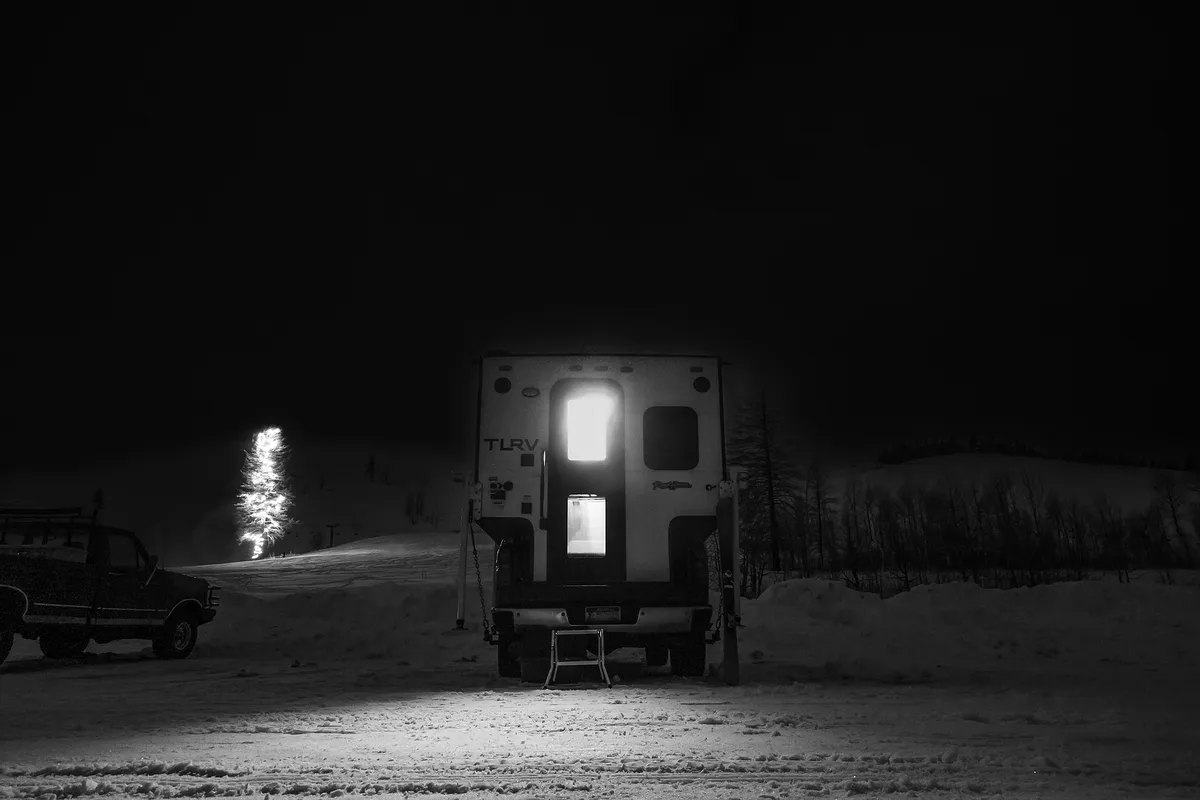
Full-time living punishes weaknesses that weekend camping never exposes. A furnace that short-cycles, a 30-gallon fresh tank, or a wet bath you have to squeegee every morning goes from minor annoyance to daily grind within a month. In full-timing Facebook groups, the same three pain points come up again and again: condensation, tank capacity, and payload. So I filtered for hard-side construction, a real four-season insulation story with heated and enclosed tanks, holding tanks big enough for at least a week off-grid, and current 2026 availability. Weight mattered too, because every pound on the camper is a pound off your truck’s payload rating.
Here is what made the cut, from flagship double-slides to a value pick that still punches above its price.
Lance 1172: The Two-Slide Flagship
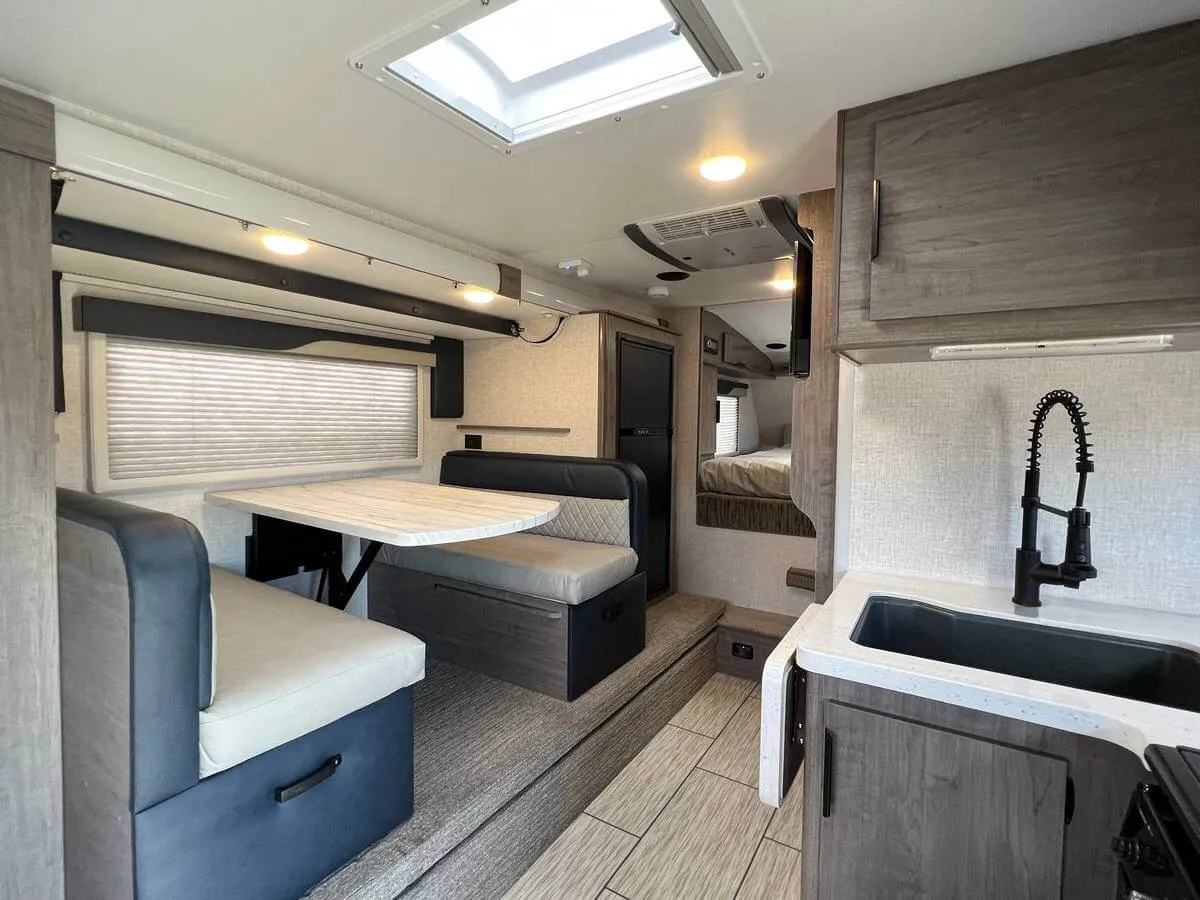
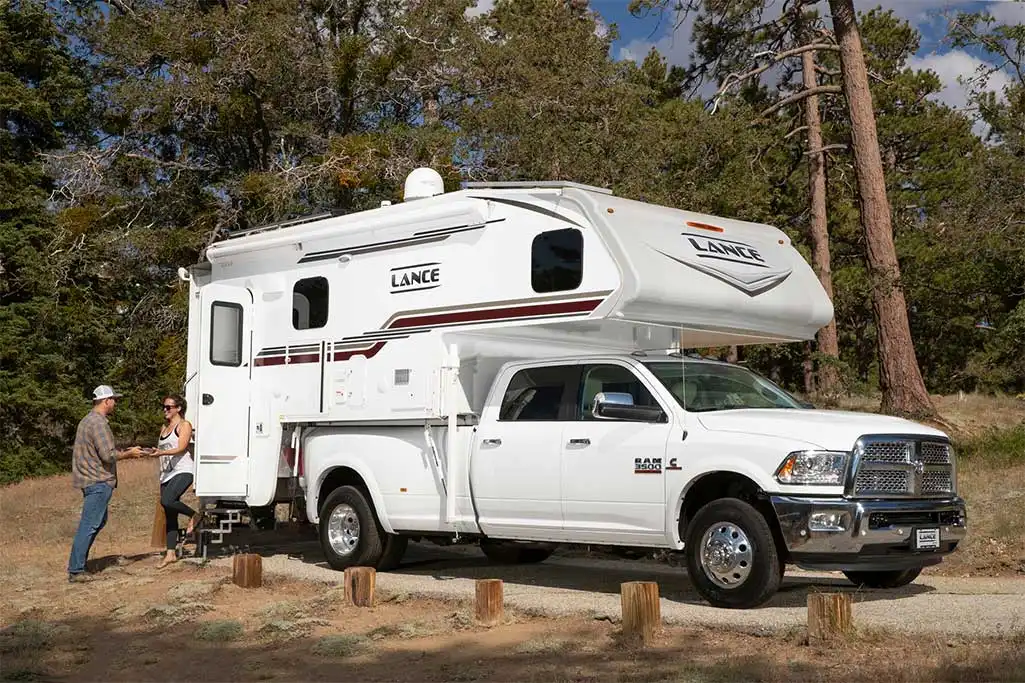
The 2026 Lance 1172 is a true double-slide rig: a dinette super-slide on one side, a rear wall slide with a sofa and leg kick-ups on the other. With both slides out, the interior feels closer to a small fifth wheel than anything that fits in a truck bed, and the dry bath with a separate shower is a genuine quality-of-life upgrade. Nobody wants to share their shower with their toilet for a year straight.
Verified specs from current 2026 listings: 4,063 lbs dry, 4,517 lbs wet, an 11 ft 11 in floor, and 42/35/35-gallon fresh/gray/black tanks. The full aluminum frame with block foam insulation and a one-piece roof membrane is why Lance owners in cold climates report fewer freeze problems than owners of stick-built campers. Dealer sale prices sit around $69,900. The catch is the truck: Lance specs a long-bed 1-ton dually, and owners who tried single-rear-wheel trucks will tell you the dually requirement is real.
Check the current Lance truck camper lineup to see how the 1172 sits above the rest of the range.
Arctic Fox 1150: The Cold-Weather Workhorse
If your full-time plan includes real winter, the Arctic Fox 1150 deserves a long look. Northwood builds these with a thick-wall welded aluminum frame and high-density block foam insulation, and the 1150 comes standard with heated holding tanks, a 20,000 BTU furnace, and a 400-watt rooftop solar package. That is a factory off-grid setup most campers charge extra for.
The numbers: 3,358 lbs dry, an 11 ft 4 in floor, a single full-wall dinette slide, and 59 gallons fresh, 35 gray, and 43 black. That fresh tank is one of the biggest here outside the Mammoth, which means fewer water runs. Wet-bath and dry-bath versions exist for 2026. MSRP runs roughly $80,000 to $84,000, but current dealer asking prices sit between about $58,000 and $66,000, making it one of the better value-per-pound rigs here. Long-term owners in full-timing groups say Arctic Fox campers hold up well to hard use, though the single slide means less lounging space than the Lance or Mammoth.
Northern Lite 10-2EX Limited Edition: The Fiberglass Tank
Northern Lite builds the 10-2EX Limited Edition around a two-piece molded fiberglass shell, basically a boat hull: no seams to leak and excellent cold-weather performance. This is the fully loaded dry-bath version, with hardwood cabinetry, leatherette seating, and factory options like a Truma Combi furnace and a 600-amp-hour lithium package.
Verified specs: around 3,510 lbs dry, 36 gallons fresh, 40 gray, and 18 black, at about 18 ft 2 in overall. The small black tank means this is not the rig for stretching two weeks without a dump station, but build quality is the selling point. Owners who have lived in Northern Lites for years say the fiberglass shell shrugs off weather that finds every weak seam in a conventional camper. Pricing is premium: Canadian dealers list 2026 dry-bath units around CAD 84,000. If you chase bad weather instead of avoiding it, this is the toughest shell on the list.
See the official 10-2EX Limited Edition page for the full factory option list.
Host Mammoth 11.6: The Triple-Slide Apartment
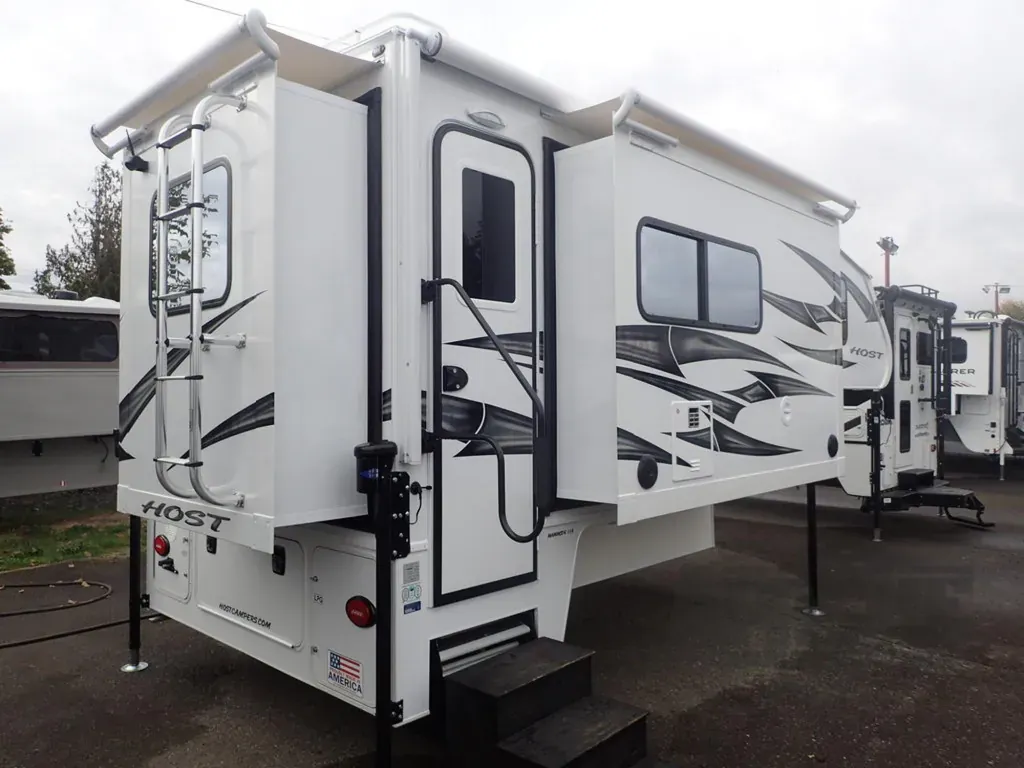
The Host Mammoth is the biggest camper on this list, and the tank gauges prove it. The triple-slide, side-entry layout carries 65 gallons fresh, 51 gray, and 32 black, the largest holding tanks I found in any current slide-in truck camper. For boondocking full-timers, that is the difference between a 5-day water stretch and a 10-day one. A 25,000 BTU furnace, enclosed heated tanks, vacuum-bonded foam over an aluminum structure, and a factory 4-season rating complete the picture.
It weighs 3,955 lbs dry with an 11 ft 4 in floor; the U-shaped dinette, sofa slide, and electric fireplace give it a residential feel the others cannot match. The tradeoff: three slides means three mechanisms to maintain, and at 19 ft 3 in overall you are firmly in 1-ton dually territory. Host sells plenty of these to full-timers downsizing from fifth wheels. If space and tank capacity top your list, nothing else here touches it.
Host publishes the full Mammoth 11.6 specifications on its site, including the 4-season details.
Bigfoot 25C10.6E: The Quiet Four-Season Legend
Bigfoot has built molded fiberglass truck campers in British Columbia for decades, and the 2500-series 25C10.6E is the long-bed flagship. The two-piece fiberglass shell, 1.5-inch high-density EPS insulation (roughly R8), heated enclosed tanks, and a 30,000 BTU furnace make it one of the most cold-capable campers you can buy, and the biggest furnace on this list. Full-timers who winter in ski towns consistently name Bigfoot as one of the few brands they trust below zero.
Verified specs: 3,180 lbs base dry weight, a 10 ft 6 in floor, and 50/24/19-gallon tanks. It is lighter than most competitors here despite the four-season build, which gives your truck’s payload breathing room. New 2026 units list around $56,500, strong value for a true four-season rig. No slides and a traditional interior, but owners report the fiberglass shells age gracefully with minimal maintenance, which matters when the camper is your house.
Browse the Bigfoot truck camper lineup to see where the 25C10.6E sits.
Palomino HS-2902 MAX: The Value Pick
Not every full-timer needs a flagship. The Palomino Backpack Edition HS-2902 MAX is the most affordable way onto this list: a single-slide hard-side with a wet bath, queen cab-over bed, and 20,000 BTU furnace at just 3,261 to 3,290 lbs dry. Tanks are modest at 45/20/20 gallons, so plan more frequent dump runs when boondocking.
The real advantage is the truck: Palomino specs it for 3/4-ton trucks with 6.5 to 8 ft beds, which opens up the used truck market well beyond the dually crowd. The interior is straightforward, maple cabinets with a 12-volt refrigerator option, over an aluminum frame with block foam insulation. This is the rig for the full-timer who would rather fund the truck, the solar setup, and the travel fund than three slides. It will not coddle you like the Mammoth, but it gets you a heated, insulated hard-side home for roughly half the premium price.
nuCamp Cirrus 820: The Short-Bed Surprise
The Cirrus 820 is the outlier: a premium hard-side that fits a short-bed truck. Verified specs: 2,916 lbs dry, 33/32/18-gallon tanks, and 2026 models in dealer stock with asking prices from about $45,000 to $55,000. The standout for full-time living is the Alde hydronic heating and hot water system, quieter and more even than forced-air furnaces, a real comfort factor when the heat runs six months straight.
It is compact by full-time standards, with a wet bath and a 60 by 78 in cab-over bed: a one-or-two-person rig. But it arrives well equipped: roughly 370 watts of solar, lithium battery, 1,200-watt inverter, electric jacks, and a rear camera. For a solo full-timer or couple who wants to stay nimble and keep the truck requirement and fuel bill down, this is the most livable small camper I found for 2026.
Check the official Cirrus 820 specifications to confirm the short-bed fit for your truck.
Quick Comparison: The 7 Best Truck Campers for Full-Time Living
| Camper | Dry weight | Length (overall) | Fresh / gray / black (gal) | Four-season story | Typical 2026 street price |
|---|---|---|---|---|---|
| Lance 1172 | 4,063 lbs | 20 ft 4 in | 42 / 35 / 35 | Aluminum frame, block foam, one-piece roof | ~$70,000 |
| Arctic Fox 1150 | 3,358 lbs | 19 ft | 59 / 35 / 43 | Heated tanks, block foam, 20k furnace | $58,000-$66,000 |
| Northern Lite 10-2EX LE | ~3,510 lbs | 18 ft 2 in | 36 / 40 / 18 | Molded fiberglass shell, 4-season rated | ~CAD 84,000 |
| Host Mammoth 11.6 | 3,955 lbs | 19 ft 3 in | 65 / 51 / 32 | 4-season, heated enclosed tanks, 25k furnace | Varies by dealer |
| Bigfoot 25C10.6E | 3,180 lbs | 17 ft 11 in | 50 / 24 / 19 | Fiberglass shell, R8 EPS, 30k furnace | ~$56,500 |
| Palomino HS-2902 MAX | ~3,290 lbs | 18 ft 4 in | 45 / 20 / 20 | Aluminum frame, block foam, 20k furnace | Varies by dealer |
| nuCamp Cirrus 820 | 2,916 lbs | 17 ft 8 in | 33 / 32 / 18 | Alde hydronic heat, 4-season rated | $45,000-$55,000 |
The Truck Question: Why Payload Decides Everything
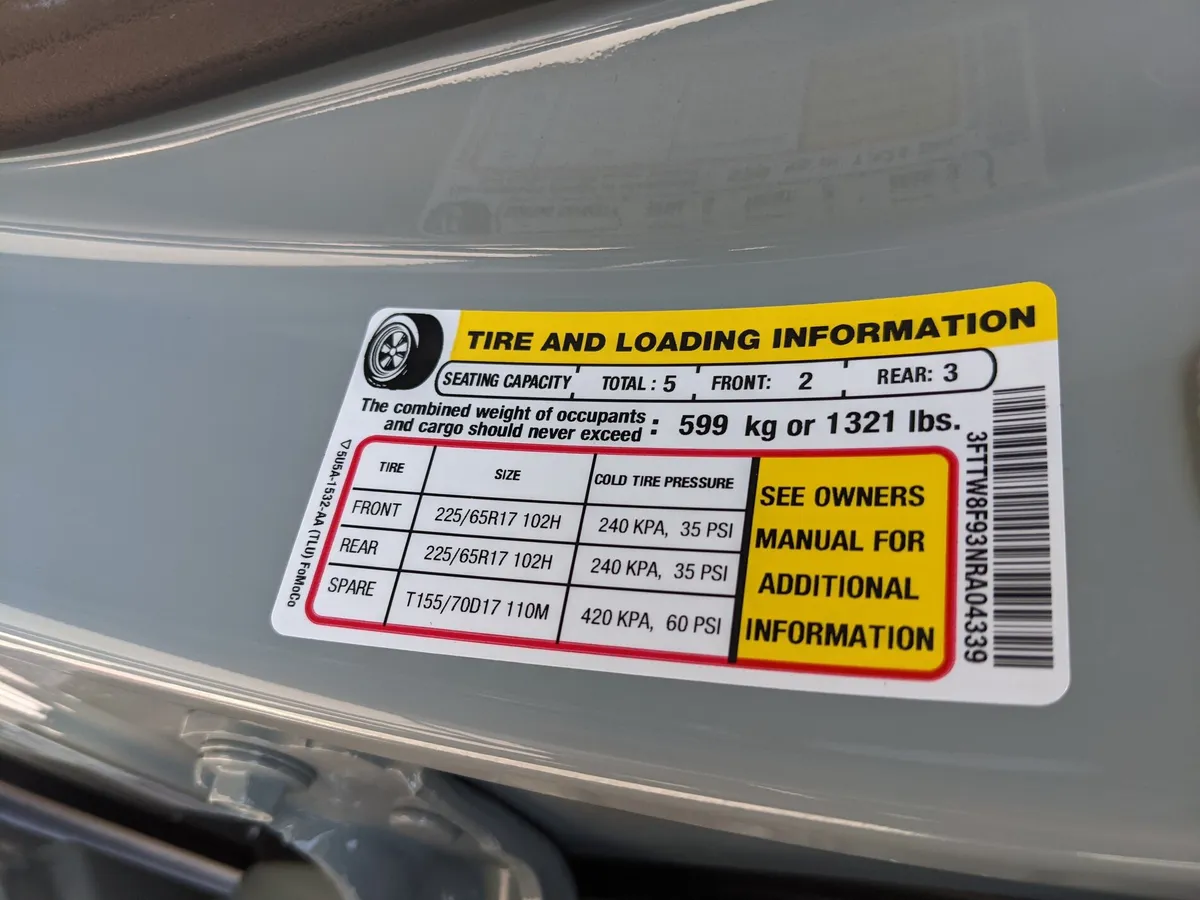
Here is the part new full-timers get wrong most often. Dry weight is a starting point, not the real number. Add water at 8.3 lbs per gallon (the Mammoth’s 65-gallon fresh tank alone adds about 540 lbs when full), propane, batteries, food, clothes, tools, and the camper’s own options, and a 4,000 lb dry camper easily becomes 5,000 lbs in the bed. Long-term owners in full-timing groups report that payload, not towing capacity and not engine power, is the number that ends truck camper dreams.
The honest rule for this list: every camper here except the Cirrus 820 and arguably the HS-2902 wants a 1-ton truck, and the Lance 1172 and Host Mammoth really want a 1-ton dually with a long bed. Check the yellow payload sticker on the driver’s door jamb of the actual truck you are buying, not the brochure maximum, and subtract the loaded camper weight plus passengers. If the math is negative, you need more truck or less camper. There is no suspension upgrade that legally increases your payload rating.
Four-Season Truths: Heat, Tanks, and Condensation

A full-timer’s camper is a house in a truck bed, and houses need real heating. Compare furnace output: the Bigfoot’s 30,000 BTU furnace and the Mammoth’s 25,000 BTU unit are in a different league from the 16,000 BTU furnaces in weekend campers, and the Cirrus 820’s Alde hydronic heat runs quieter and more evenly, which matters on night 90 of furnace season. I break down diesel vs propane vs electric heat for truck campers in a separate guide.
Heated, enclosed holding tanks matter just as much. Every camper on this list has them, which is exactly why the list looks the way it does: a frozen black tank in February is a full-timer’s nightmare. Before your first cold season, run a proper winterizing routine for your truck camper even if you live in it heated, because basement plumbing and the exterior shower freeze first.
The quiet killer is condensation. Two people breathing, cooking, and showering in a sealed box generate gallons of vapor daily, and in winter it lands on every cold surface. Full-timers who winter successfully treat ventilation as a system: crack a roof vent and run a small dehumidifier or fan every day. My guide to stopping condensation in a truck camper is required reading before your first winter.
Power is the last piece. Factory solar ranges from 100 to 400-plus watts, and full-timers almost always upgrade: 400 to 600 watts of solar with 200 to 300 amp-hours of lithium is the real-world sweet spot for a 12-volt fridge, laptops, and lights. Size it with my truck camper solar and lithium sizing guide before buying batteries.
Frequently Asked Questions

Can you really live in a truck camper full-time, year-round?
Yes, and thousands of people do, but the camper has to be built for it. A hard-side, four-season camper with heated tanks, a real furnace, and real insulation, like the seven on this list, handles year-round living fine. What fails is trying to full-time in a three-season pop-up and hoping for the best. Expect dump stations, water fills, and propane refills as a weekly routine, plus a mail forwarding service and domicile state for legal and insurance purposes.
What size truck do I need for a full-time hard-side truck camper?
For the campers in this roundup, a 1-ton truck (F-350, Silverado/Sierra 3500, Ram 3500) is the realistic minimum, and the Lance 1172 and Host Mammoth are spec’d for long-bed dual-rear-wheel trucks. The nuCamp Cirrus 820 and Palomino HS-2902 are the exceptions that work on smaller trucks. Always match the loaded camper weight, water and gear included, against the specific truck’s door-jamb payload rating, not the advertised maximum.
How long can you boondock in a truck camper before needing services?
It depends almost entirely on tank size and water discipline. With the Host Mammoth’s 65-gallon fresh tank and conservative use (navy showers, paper plates some nights), 10 days is realistic; with a 33-gallon tank like the Cirrus 820, plan on 4 to 5 days. Propane is the other limiter in winter: a big furnace in sub-freezing weather can burn through a 30 lb tank in under a week. Most full-timers settle into a water and dump run every 5 to 7 days.
Can passengers ride inside the truck camper while driving?
In most states, no, or only under narrow exceptions. Riding in a truck camper while it is moving is illegal in many states and restricted in others, and even where it is technically allowed, it is unsafe: campers are not crash-tested passenger compartments and usually lack seatbelts. I keep a state-by-state breakdown in my guide to whether you can ride in a truck camper and the state laws involved. Plan on everyone riding in the truck cab.
Is a hard-side or pop-up camper better for full-time living?
For genuine full-time, year-round living, a hard-side wins: better insulation, real standing height, more secure doors and windows, and no canvas to maintain or listen to flapping in a storm. Pop-ups are lighter and cheaper, which is why weekenders love them, but full-timers consistently report the daily setup, takedown, and cold-weather compromises wear thin within months. If budget is the constraint, shop the used market instead: my roundup of budget truck campers under $15,000 shows what to look for in an older hard-side.
What does a full-time truck camper setup cost in 2026?
Based on current dealer listings, expect roughly $45,000 to $55,000 for a new Cirrus 820, mid-$50,000s for a Bigfoot 25C10.6E, high-$50,000s to mid-$60,000s street price for an Arctic Fox 1150, and around $70,000 for a Lance 1172. Northern Lite and Host Mammoth sit at the premium end. Then add the truck: a used 1-ton diesel in good shape typically runs $35,000 to $60,000. All-in, a new-camper-plus-used-truck full-time setup lands around $90,000 to $130,000, before solar and lithium upgrades.
The Bottom Line
If I had to pick one best truck camper for full-time living in 2026 for the widest range of people, it would be the Arctic Fox 1150: genuine four-season build, the biggest fresh tank outside the Mammoth, heated tanks and factory solar, and street prices well under MSRP. If space is the priority, the Host Mammoth’s triple slides and 65-gallon fresh tank are unmatched. If winter is the priority, the Bigfoot 25C10.6E’s fiberglass shell and 30,000 BTU furnace are the safest bet. And if you want to stay light and nimble, the Cirrus 820 proves you can full-time without a dually.
Whichever you choose, buy the truck for the loaded weight, not the dry weight, budget for a real solar and lithium setup, and learn to manage condensation before your first winter. Get those three right and the camper itself almost takes care of the rest.