Truck Camper vs Van Life: An Honest Comparison From Someone Who’s Done Both
If you typed truck camper vs van life into Google, you’ve probably read four comparison posts full of specs — length, weight, tank size — and you’re no more decided than when you started. I’ve run both setups over the years, so I’m skipping the spec tables. What actually decides this is your daily life: the money, the showers, the breakdowns, the 2 a.m. bathroom question. One-sentence version: a truck camper is the better home, a van is the better vehicle, and the right choice depends on which half matters more to your life right now.
The Short Version: Pick by Your Life, Not the Rig
Don’t start with the rig. Start with five questions: full-time or weekends? Solo, couple, or family? Cities or dirt? Do you already own a truck? Do you need a real shower inside? Your answers sort you faster than any chart — cheat sheet: solo woman parking in cities at night, lean van; couple going full-time off-grid, lean truck camper; family with kids and a dog, truck camper almost always; weekender with a driveway, whichever you already own the vehicle for.
Truck Camper vs Van Life: The Real Price Tag (Truck Included)
This is where most comparisons quietly lie to you, because they compare the camper to the conversion and leave out the two biggest line items: the truck, and the van.
The truck camper path. A new hard-side truck camper in 2026 runs from the mid-$30,000s to around $60,000 — the Lance 865 lists at $37,567 MSRP and the Lance 1191 at $55,949, per Truck Camper Magazine’s current buyers guide, while an Arctic Fox 1140 lists at $59,195. Want the pop-up life? A Northstar 850SC lists at $31,175. But then there’s the truck, and this is the part first-timers underestimate. Most hard-sides need a three-quarter-ton or one-ton with real payload, and if you don’t already own one, that truck is the single biggest line item in the project — Truck Camper Magazine notes even mid-size trucks start around $30,000 and climb from there. I’ve broken down the full annual picture of the combo — insurance, maintenance, creeping upgrade costs — in my true cost of truck camper ownership guide.
The van path. A new Ford Transit cargo van starts around $48,000, a Mercedes Sprinter around $49,000, with a well-optioned high-roof Sprinter AWD landing near $73,000 before a single cabinet goes in (current numbers from Sportsmobile’s 2026 pricing guide and FarOutRide’s van comparison). Then the conversion: a professional build runs $40,000 to $120,000-plus, putting total van-plus-conversion investments between $130,000 and $192,000 for a typical new build. A DIY conversion runs $15,000 to $40,000 in materials — plus six to eighteen months of weekends and no warranty.
The honest math. If you already own a capable truck, the truck camper usually wins on total buy-in — the camper is a finished product, no conversion labor. Starting from zero vehicles, a pro-converted van and a truck-plus-camper combo land in similar territory ($100,000-plus new either way), so decide on lifestyle, not sticker. Buying used cuts either total nearly in half. And don’t forget running costs: RepairPal data puts average annual repairs around $888 for a Transit and $1,778 for a Sprinter — Mercedes parts and dealer labor are real money, which is why budget van people buy Fords.
Verdict on money: if you own a capable truck, the truck camper is usually the cheaper total path. If you’re starting from zero vehicles, a professionally converted van and a truck-plus-camper combo land in surprisingly similar territory, and you should decide on the lifestyle factors below instead of the sticker.
Five Things the Spec Tables Won’t Tell You
1. When the truck breaks, you still have a home
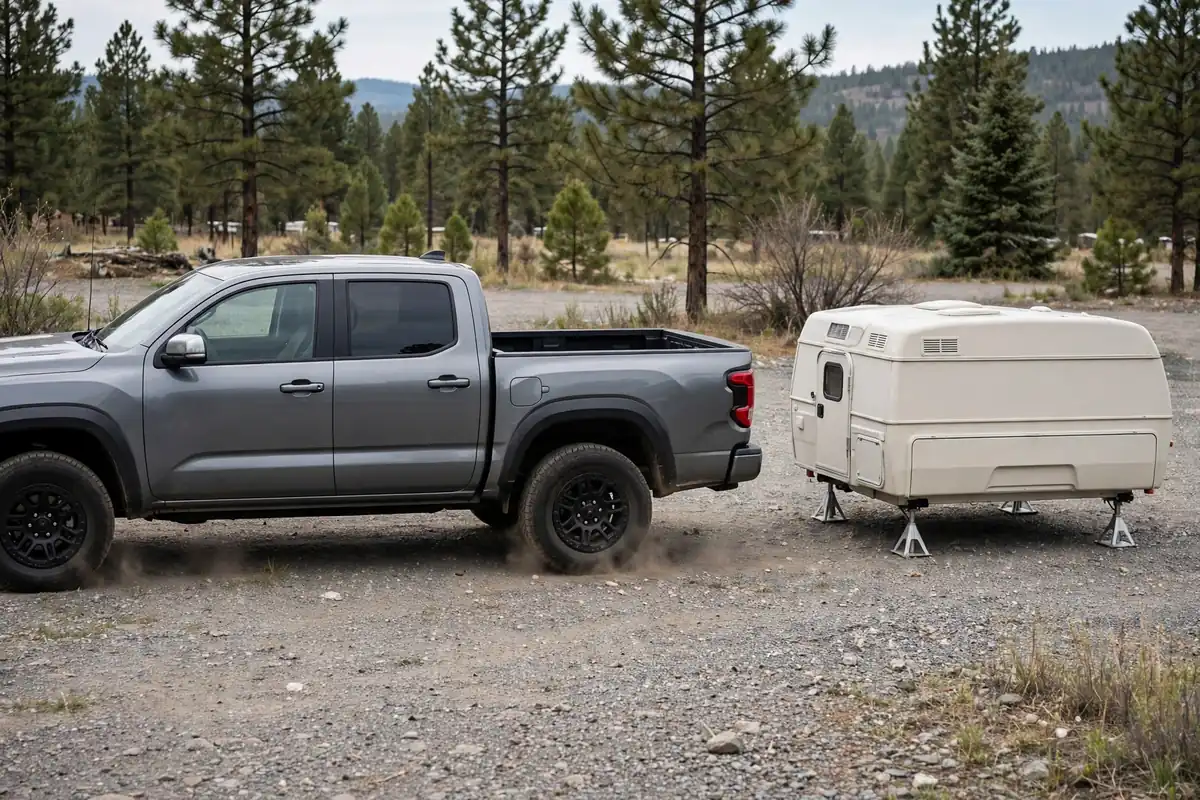
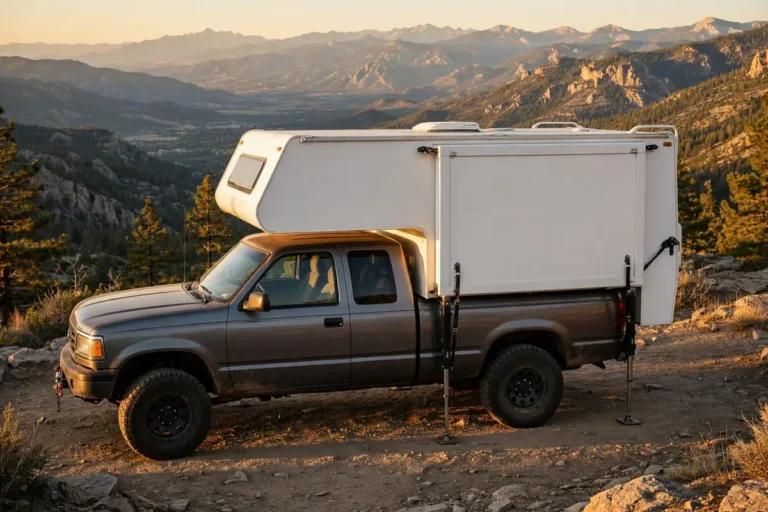
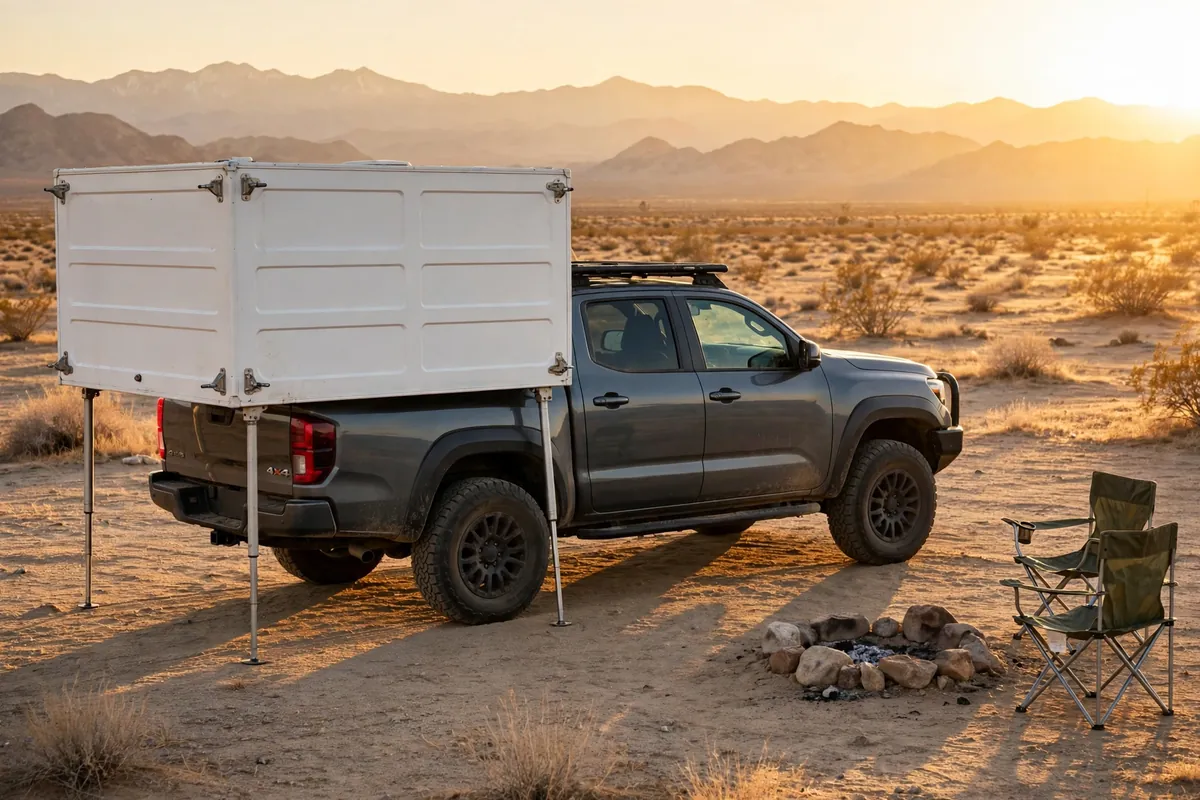
This is the most underrated truck camper advantage, and it’s converted a lot of van owners. A camper is a house that sits in a truck bed; a van is a house that is a truck. When the van needs three days in the shop, you are homeless — an owner on the Changing Gears blog who’d lived it put it bluntly: her converted minivan breaking down left her without living accommodation, hotel the only backup. With a truck camper, you slide the camper off onto its jacks, hand the truck to the mechanic, and sleep in your own bed that night. Camp Out RV makes the same point: the truck and camper separate, so a mechanical problem costs you a vehicle, not your home.
A couple who moved from a camper van to a truck camper said it best: if their truck ever had major issues, they weren’t tied to it — the camper could go on a different truck. That modularity is a superpower no floorplan spec shows you.
2. The shower question is bigger than you think

Here is where vans lose people. Most DIY builds skip the indoor shower to save space — and the owner spends a year discovering what that means. One full-time van blogger listed it as her top build regret: no indoor shower, just a solar-heated shower bag she called a torture device the moment it got cold. Her real-world fix: $12 to $15 truck stop showers, or body wipes in cold places. Fine for a weekend. A grind for full-time.
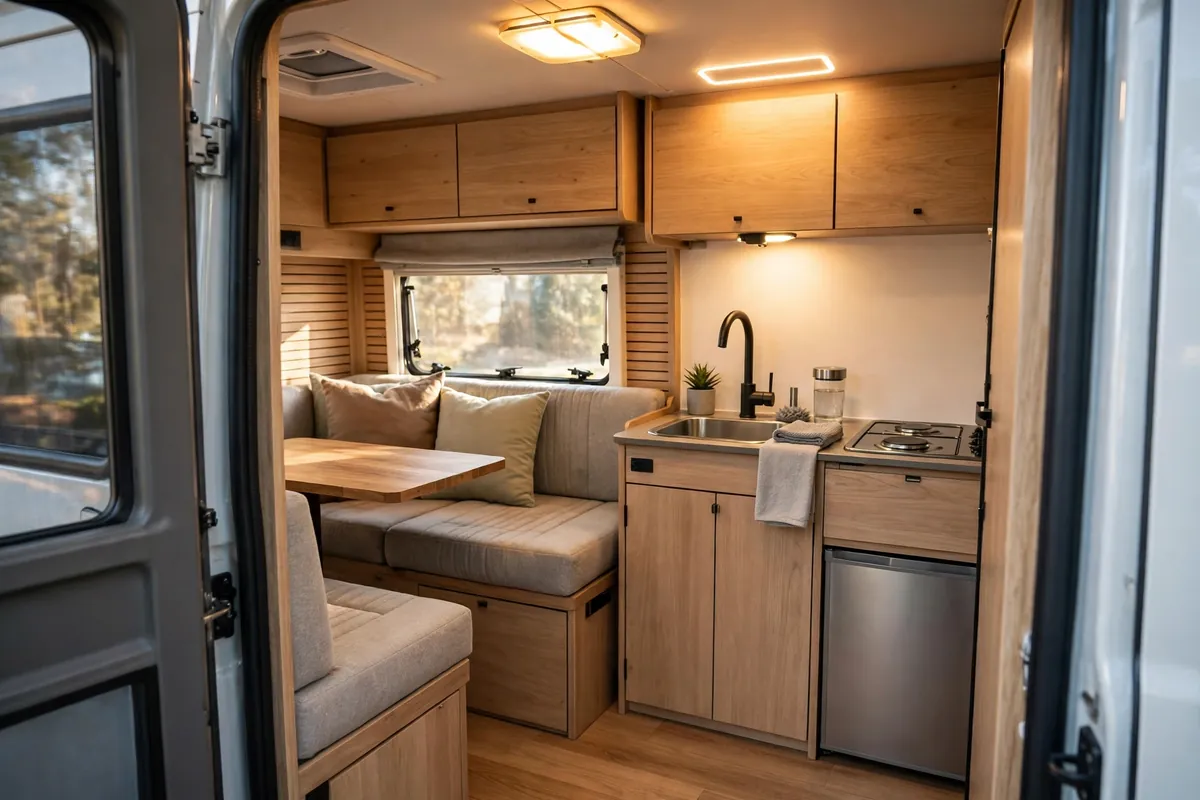
Truck campers ship with bathrooms because they’re built by RV companies, not by you in a driveway — the Lance 1191 lists an interior shower as standard, and most hard-sides carry 30 to 60 gallons of fresh water with a real water heater. The lesson: a real, hot, private shower is a full-time-life feature, so treat it like one. If daily hot showers matter to you, buy the rig that already has one instead of promising yourself you’ll figure it out later. (And sort your toilet situation early — my cassette toilet guide for truck camper boondocking covers the option most new truck camper owners end up with.)
3. Stealth is a real category, and vans win it honestly
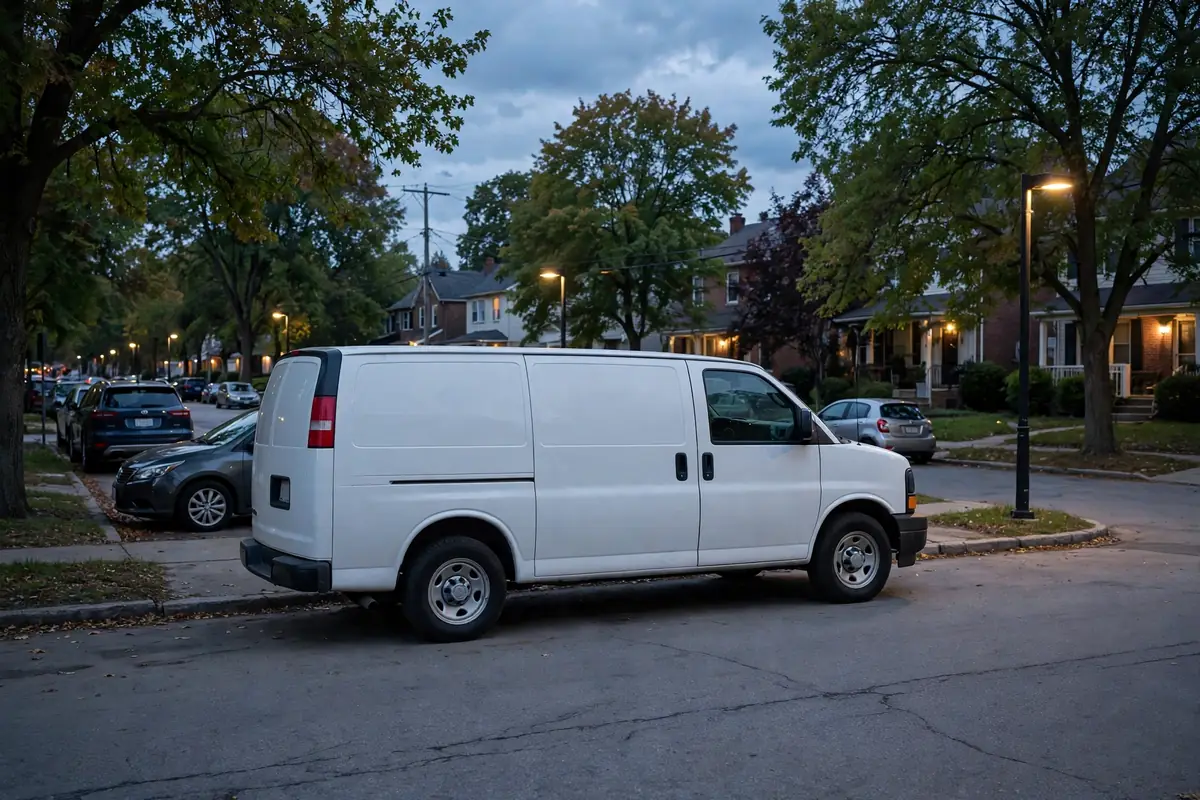
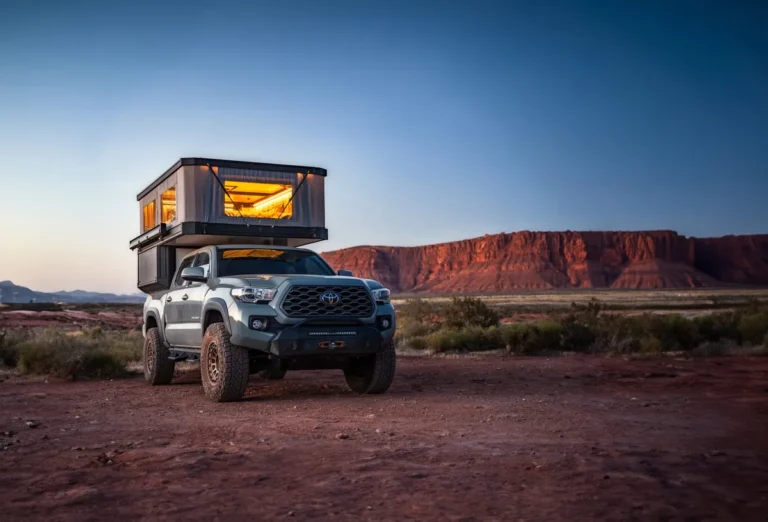
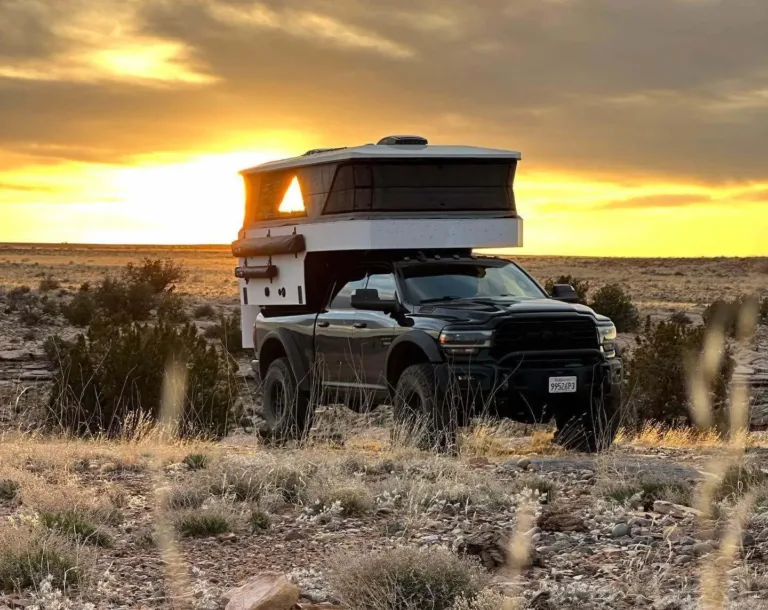
Let’s be straight: a truck with a slide-in camper looks like a camper; a white cargo van looks like a plumber. One couple who ran both said the camper screams “someone is sleeping in here” while the van blended into city streets. The Nomad Life Wiki’s stealth rankings agree: cargo vans are stealthy, pickup trucks with slide-in campers explicitly not stealthy.
But stealth has a skill ceiling: arrive late, leave early, black out every window, rotate spots — and the more boring the vehicle, the better it works. A high-roof Sprinter with a roof rack and ladder isn’t invisible anymore; the Instagram era dented that camouflage. If your plan is city streets most nights, a plain van is the honest pick. If it’s trailheads, public land, and the occasional Walmart, the truck camper’s lack of stealth costs you nothing — see my boondocking guide for where truck campers actually sleep free.
4. The walk-outside problem
This is the one nobody mentions until they’re living it. In a van, you slide from the driver’s seat to the bed without going outside — in rain, at midnight, in pajamas. In a truck camper, the cab and camper are two separate worlds with the weather in between. An owner on Expedition Portal named this his biggest daily problem after years in a truck camper: getting in and out of the cab multiple times a day wore on him enough to switch to a Class B van. And a full-timer on the RV forums framed the van’s version as decisive: with a van you never break camp to buy a loaf of bread — everything stays put, you just drive.
For a couple at a campground, the walk-outside thing is a non-issue. For a solo traveler parking in unfamiliar places at night — especially a woman — it’s a genuine safety consideration: one couple who made the van-to-truck-camper move specifically noted the van’s advantage, that you don’t have to get out of your vehicle to reach your living space after parking for the night. The truck camper counters with a different kind of security — the living space is physically separate from the cab, which owners say deters break-ins. Know which kind you need.
5. Space, wind, and where you’re actually allowed to go
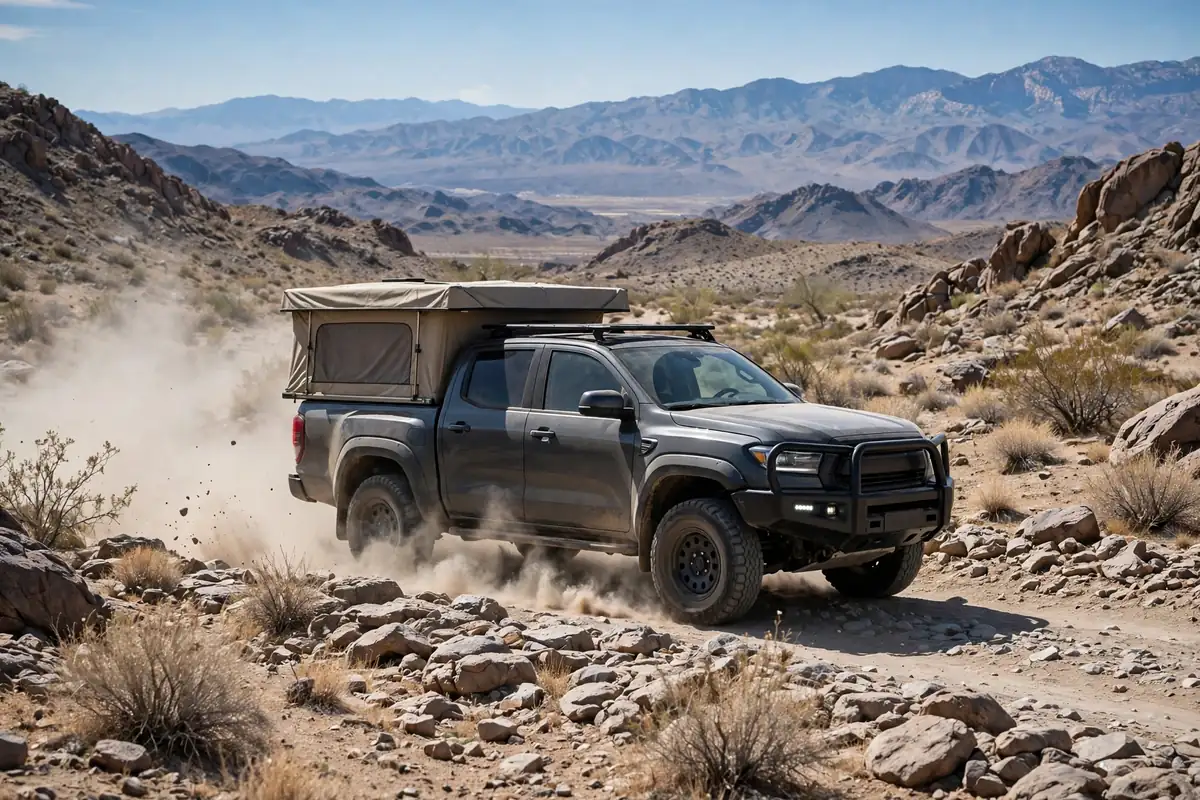
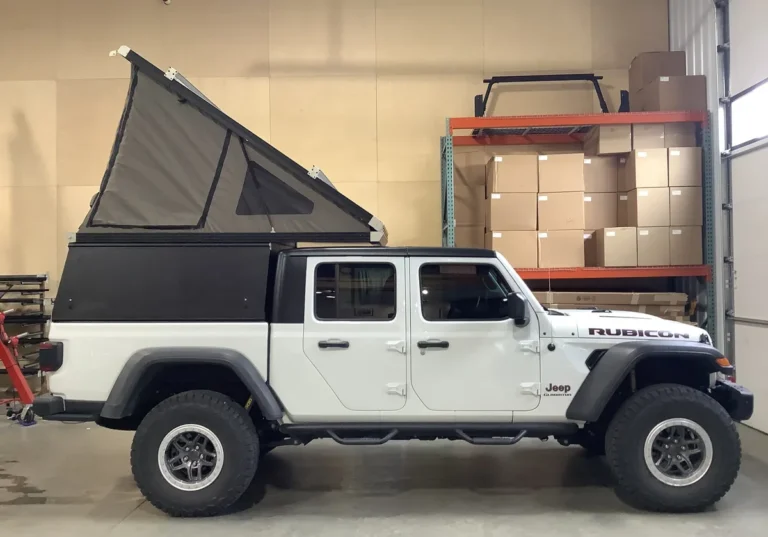
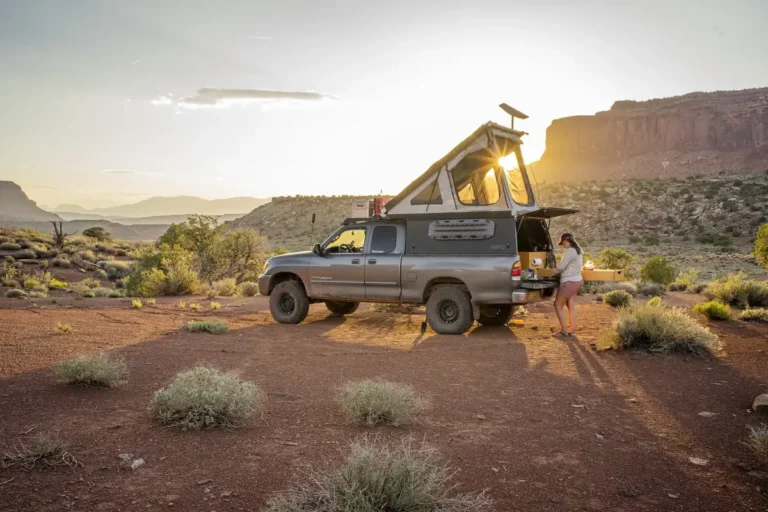
Truck campers give you more home per dollar: most are a full 8 feet wide, nearly all are stand-up height with room to spare, and the cabover is a whole extra bedroom over the cab. Truck Camper Magazine’s head-to-head gave the living-space category to the truck camper decisively — more room in every dimension, more storage, more room to ride out a rainy week. A 4×4 truck with a camper will also take you places a van shouldn’t go; one reviewer took a Four Wheel Camper Hawk down Arizona trails he said a stock camper van wouldn’t have survived, thanks to the truck’s low-range gearing and ground clearance.
The van’s advantages are the mirror image: one vehicle, easier in towns and parking garages, no top-heavy sway. But go tall and you pay for it — owners note a high-roof van in desert wind feels like a sail, pushed around far more than the truck, and on rough roads everything unbolted becomes a projectile. Off-road, a 4×4 truck outclasses even a 4×4 Sprinter — the Transit’s AWD is a traction aid, not low-range, and the ProMaster is front-wheel-drive only. Remote dirt: truck camper wins. Cities and highways: van wins.
So Which One Is For You? Pick by Your Life
Here’s the decision framework, organized the way you should actually think about it.
You’re a solo woman hitting the road alone. Lean van. The pass-through matters most: no stepping outside at midnight in an unfamiliar town, no breaking camp for a grocery run, and a plain white van disappears in a city in a way no truck camper ever will. Build in a real indoor shower or budget for the gym-and-truck-stop routine — that’s the part that breaks most solo van lifers. Caveat: if your route is national parks and public land rather than cities, the truck camper’s bathroom and home-truck separation still make a strong case.
You’re a couple going full-time. Lean truck camper. You need the space and storage for two people’s lives, a real bathroom with real tanks, and the ability to drop the camper at a site and take the truck to town — the van forces you to break camp for every errand, a slow-burn annoyance full-timers on the forums never stop citing. More miles also means more shop visits, and sleeping in your own bed through them is priceless. Read the ugly side first — my full-time truck camper living problems post is the reality check — but for two people living in it, the camper is the better house.
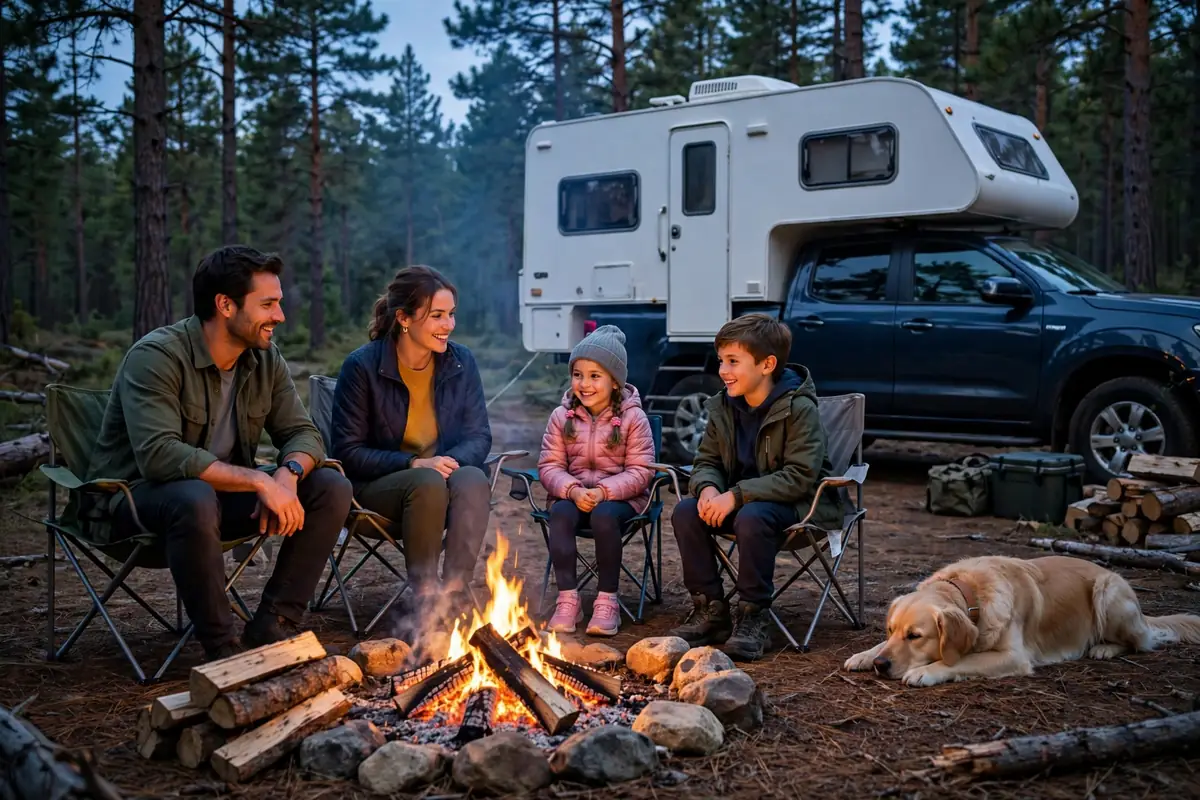
You’re a family with kids (and maybe a dog). Truck camper, almost no contest. Vans sleep two comfortably and four with real compromise; a hard-side truck camper with a cabover queen plus a dinette conversion sleeps a family the way it was designed to. The truck gives you a back seat for car seats and a bed for the dog’s crate and the firewood run, and you can leave the kids’ setup standing while you drive to the dump station. (Dog owners: truck camping with dogs covers where they ride and where they sleep.)
You’re a weekender with a job and a driveway. Buy for the vehicle you already own. Got a truck? A used camper gets you camping this month for the price of a nice vacation. Got nothing? A simple van build — even a no-build with a bed platform — gets you out there with one insurance policy and one thing to maintain. Don’t overthink the forever rig; most people who agonize over this choice end up switching platforms once anyway, and the used market for both is healthy enough that your first rig doesn’t have to be your last.
You’re a remote worker who needs to park in cities. Lean van, with your eyes open. The stealth and single-vehicle simplicity genuinely suit the laptop-and-coffee-shop life — but you still need a bathroom plan (coworking memberships and gym showers are the standard answer), a mail and domicile plan, and a realistic conversion budget. If the work takes you to small towns and trailheads instead of downtowns, the truck camper’s office-with-a-view and real tanks start winning again.
My Honest Verdict
I own a truck camper, and I’d buy one again — for my life. But this is a matching problem, not a loyalty test. Vans win solo urban travel, stealth, one-vehicle simplicity, and the joy of a build that’s exactly yours. Truck campers win the home matchups: space, bathrooms, storage, off-road reach, and the beautiful fact that your house and your engine are two separate machines. People who regret their choice almost never regret the rig — they regret buying for the wrong life. So decide the life first: where you’ll sleep, how you’ll shower, what you’ll do when it breaks. Then the rig picks itself. And buy used the first time — you’ll learn what you actually need for half the tuition.
Frequently Asked Questions
Is van life actually cheaper than a truck camper?
It depends on what you already own. With a capable truck, adding a slide-in camper is usually the cheaper total buy-in — no conversion labor. Starting from zero vehicles, a pro-converted van and a truck-plus-camper combo land in similar territory ($100,000-plus new either way), while a DIY build on a used van is one of the cheapest ways in. Compare totals, not stickers.
Can you stand up inside a truck camper?
Yes, in nearly all of them — most hard-sides offer 6 feet 5 inches to 6 feet 7 inches of interior headroom (the Lance 1191 lists 6 feet 6 inches). Pop-ups are the exception: full height only when popped. Vans vary by roof — a high-roof Transit gives about 6 feet 9 inches, a low-roof none. If you’re tall, check the spec sheet before you fall in love.
Which is better off-road, a truck camper or a van?
A 4×4 truck with a camper, by a clear margin — real low-range gearing, better ground clearance, a drivetrain built for it. A 4×4 or AWD van handles forest roads and snow fine, but it’s not a rock crawler, and the ProMaster is front-wheel-drive only. The catch: a tall hard-side raises the center of gravity, so serious off-roaders usually pick pop-up campers like the Four Wheel Camper Hawk.
Which is better for full-time living?
For most couples and families, the truck camper: more space, bigger tanks, a real bathroom standard, more storage, and the huge win of separating home from vehicle when the truck needs work. For solo full-timers who move constantly and park in cities, the van’s stealth and pass-through can outweigh all that. Either way, full-time is a lifestyle of maintenance and tank rhythms — expect chores, not vacation.
Can you stealth camp in a truck camper?
Not really — plan around it. A truck with a camper reads as “someone sleeping in here” to anyone who glances at it, and stealth guides list slide-in campers as explicitly non-stealthy. You can still overnight easily at Walmarts, Cracker Barrels, truck stops, Harvest Hosts, and dispersed public land; you just can’t blend into a residential street like a plain cargo van. Urban stealth is a van’s game.
Do vans hold their resale value better than truck campers?
Generally, yes — professionally converted Sprinters from known builders can retain 60 to 80 percent of value after five years. Truck campers depreciate more like conventional RVs, and DIY van builds sit at the bottom of the resale ladder. The separation cuts both ways: you can sell a truck camper without selling your truck, which van owners can’t do.