Budget Truck Campers Under $15,000: What I Found in 2026
If you’ve been hunting for budget truck campers under $15000, you’ve probably noticed the market splits hard at this price point: on one side are worn-out project campers with soggy roofs, and on the other are genuinely solid used rigs that just need a weekend of resealing and a new battery. I spent the last few weeks combing through current listings on RV Trader, eBay, Facebook Marketplace, and truck camper forum classifieds to find out what $15,000 actually buys you in 2026 — and how to tell the difference between a bargain and a money pit.
Here’s my honest take: this is one of the sweetest price ranges in the whole truck camper market, but only if you go in with realistic expectations and a proper inspection routine. Let me walk you through what I found.
Budget Truck Campers Under $15,000: What the Money Actually Buys in 2026
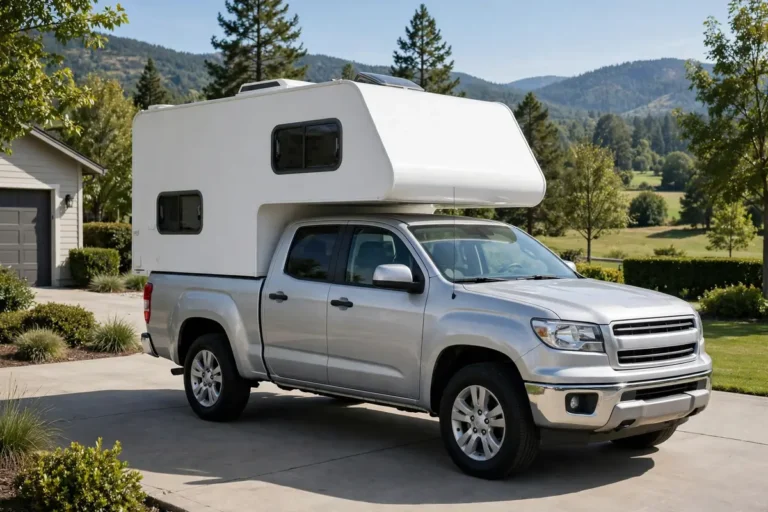
Let’s set expectations first. At under $15,000 in 2026, you are buying used. Full stop. New hard-side slide-ins start well north of $30,000 these days — a new Lance 850 dry-weighs 2,427 lbs and sits in a completely different price universe — so your $15k goes furthest in three categories:
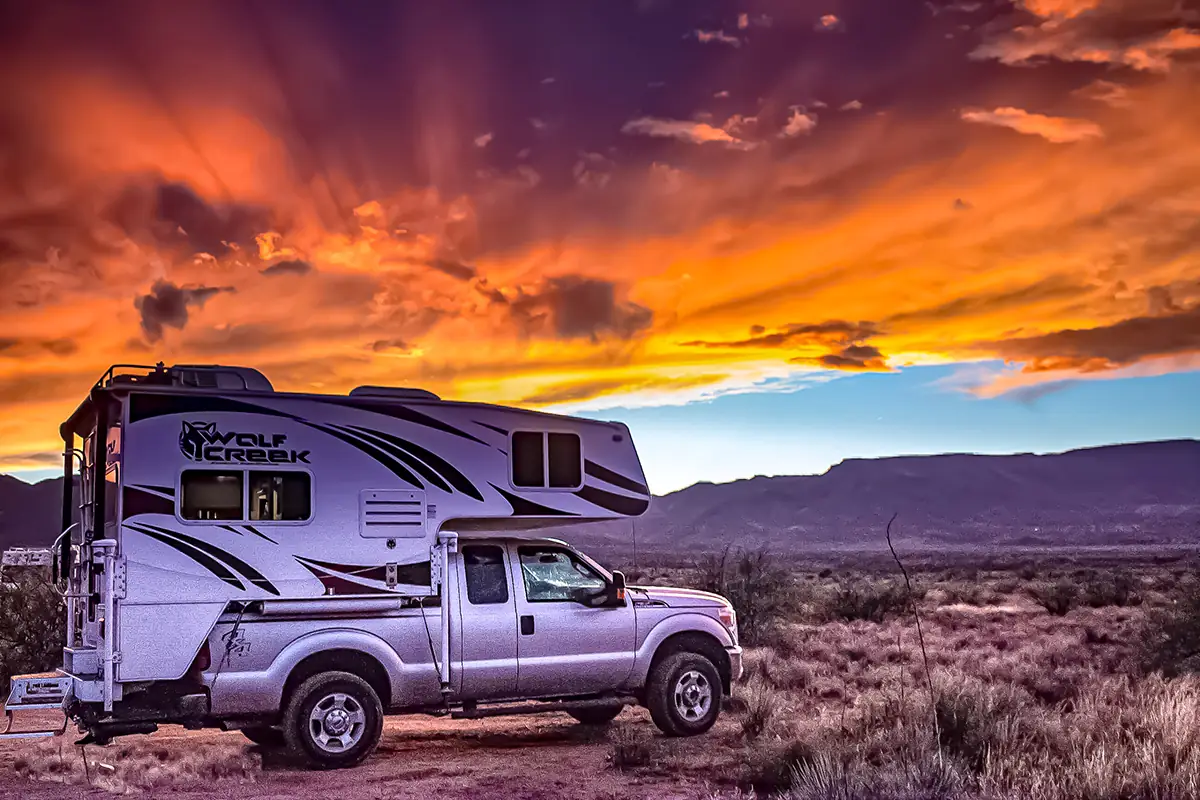
- Older hard-side slide-ins (1990s through roughly 2010) from brands like Lance, Palomino, Northstar, Arctic Fox, and Alpenlite.
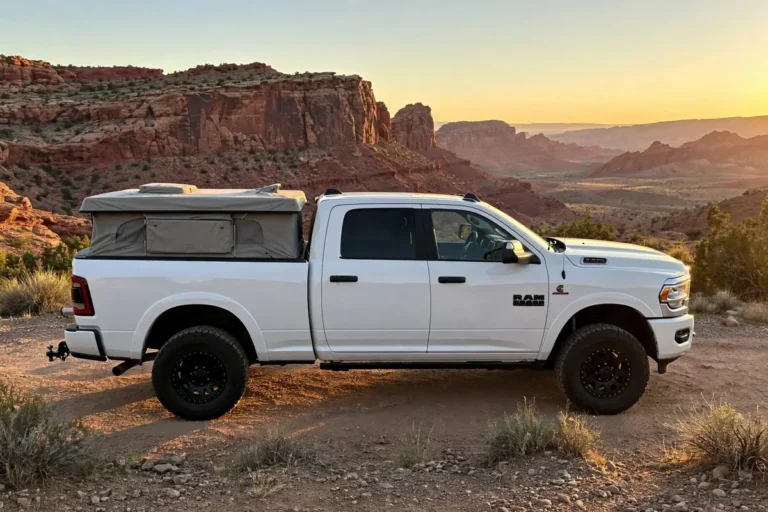
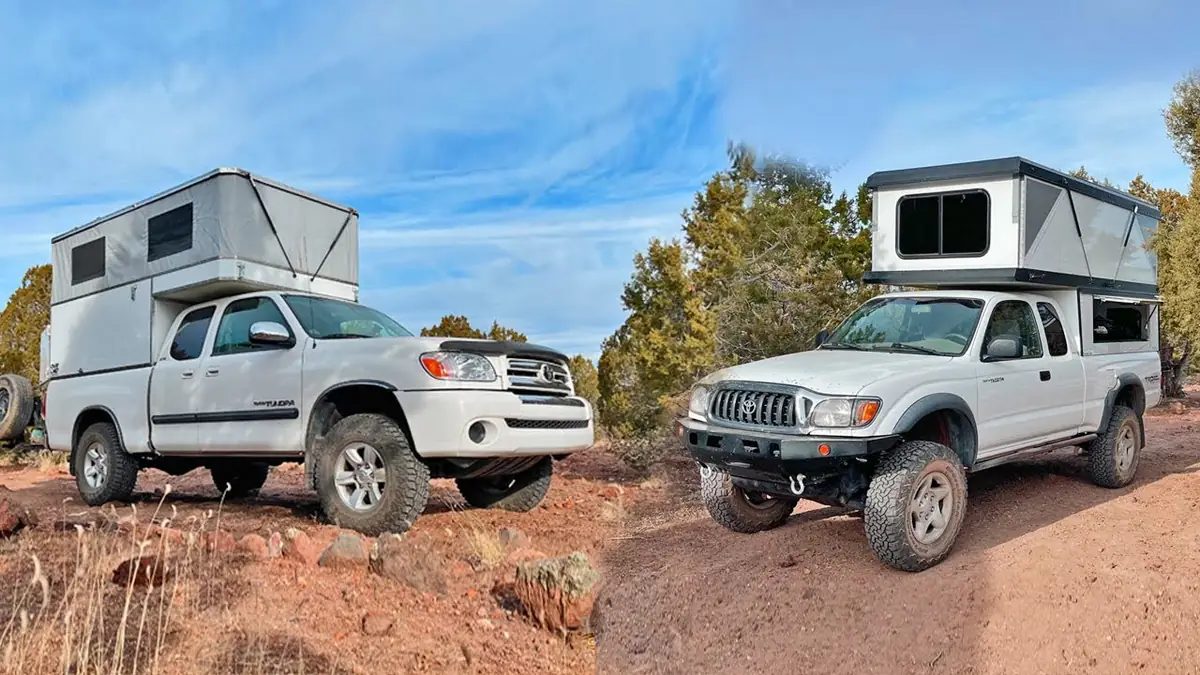
- Pop-up campers, both hard-wall pop-ups and soft-side models from Four Wheel Campers, Hallmark, Phoenix, and Outfitter.
- Simple new factory-direct campers — there’s exactly one realistic option here, and I’ll get to it below.
Based on current listings I pulled this fall, here’s the going rate for clean, usable examples:
- 1990s–2000s Lance hard-sides (the 880, 915, 945, 981, 1030 models): asking prices run roughly $5,000 to $12,000 depending on age, size, and condition. A 2008 Lance Lite 915 listed at $12,000; older 1990s models sit closer to $5,000–$7,000.
- Palomino Maverick hard-sides (2010–2013): typically $7,000 to $9,500. These are a lot of camper for the money when the roof has been maintained.
- 2007 Northstar Laredo SC: I found a well-kept, garage-stored 2007 Laredo SC listed at $8,900 — hard-side, cabover queen, full kitchen and cassette toilet.
- Older Alaskan and Hallmark pop-ups: a 1974 Alaskan 8-foot cabover was listed at $6,300; older Hallmark models show up even cheaper, sometimes under $2,000 as fixer-uppers.
- 2012 Northwood Arctic Fox 1140: listed at $13,992 — that’s a heavyweight four-season hard-side, but you’ll need a one-ton truck to carry it legally.
- 2004 Alpenlite Saratoga 935 short bed: $12,995.
- 2017 Four Wheel Camper Hawk pop-up: listed at $18,000 — over budget, and a good reminder that FWCs hold their value fiercely. Older Fleet and Raven models are where the sub-$15k deals hide.
The bottom line: $15,000 doesn’t buy you a new camper with a warranty. It buys you a 10- to 30-year-old camper whose value lives entirely in its condition, not its brand badge. A bone-dry 2002 Lance beats a leaky 2015 anything, every single time.
The Brands and Models That Keep Showing Up in This Price Range
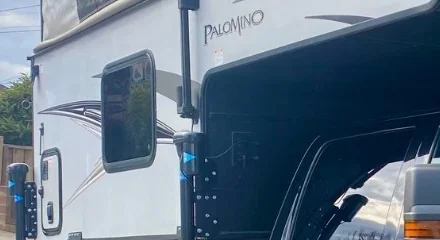
After scrolling through hundreds of listings, the same names keep appearing. Here’s what each one typically means at this price point, and what I’d watch for.
Lance (older 8xx/9xx/10xx series). The most common brand in this bracket by far. Lance built enormous numbers of campers, so parts knowledge is deep and owners in truck camper forums report that older Lances are straightforward to reseal and repair. Watch for cabover nose cracks on the big 11-foot models and soft spots in the cabover floor — that’s where water pools.
Palomino Maverick. Palomino’s budget-friendly hard-side line from the late 2000s/early 2010s shows up regularly under $10k. They were built to a price when new, so expect simpler cabinetry — but the bones are fine if the roof was recaulked. A 2010 Maverick 8801 at $7,000 and a 2013 Maverick 6601 at $9,499 were both recent listings I spotted.
Four Wheel Campers (Fleet, Raven, Hawk pop-ups). These are the darlings of the overlanding crowd, and the used market reflects it. A basic older Fleet-series pop-up was listed at $9,000 this fall, and older Hawks bounce between $7,000 and $12,000 depending on condition and options. Because they’re light (a 1998 Hawk is listed around 700 lbs dry), they’re the go-to choice if you’re working with a half-ton truck. If you’re torn between a soft-side pop-up and a hard-side, my roundup of the best pop-up truck campers will help you think through the trade-offs.
Northstar. Smaller-volume builder with a loyal following. The 2007 Laredo SC at $8,900 I mentioned above is typical of what you’ll find: honest, simple campers that were often garage-kept by older owners. Northstar owners tend to be meticulous, which works in your favor on the used market.
Alaskan, Hallmark, Phoenix, Outfitter. These niche brands show up in fits and starts. A 2006 Outfitter Apex 8 listed at $7,900; a 2010 Phoenix USA at $5,900. Alaskan Campers are the classic telescoping hard-wall pop-ups — mechanically simple, cult following, and cheap when they appear. Hallmarks can be genuine steals if the canvas is intact.
Arctic Fox, Bigfoot, Jayco. Heavier four-season hard-sides. Older Arctic Fox and Bigfoot models occasionally dip under $15k (a 2012 Arctic Fox 1140 at $13,992; a 2005 Bigfoot 2500 at just under $17,000), but remember these campers are heavy — 3,000+ lbs is normal. They’re fantastic campers, but only if your truck’s payload can legally handle them.
My Used Truck Camper Inspection Checklist (Never Skip This)
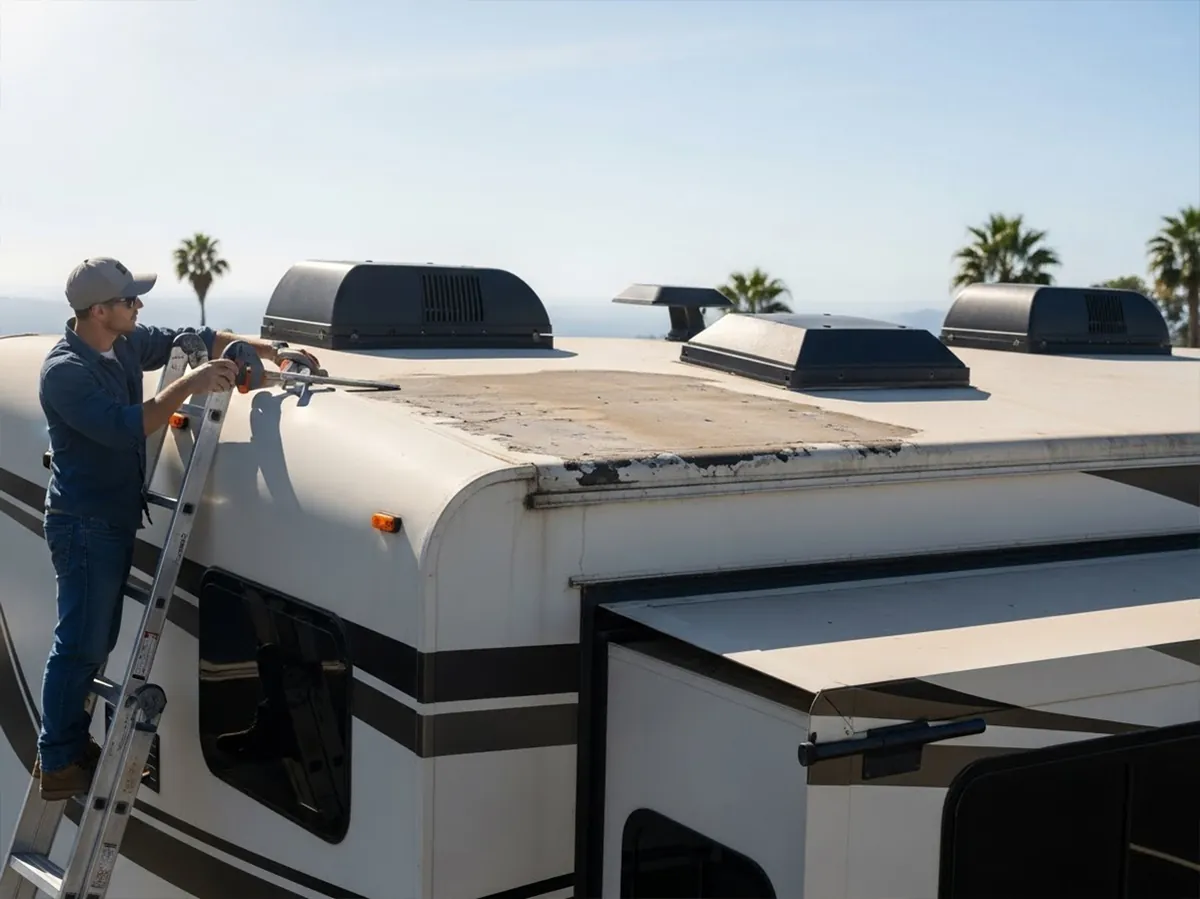
I won’t sugarcoat it: most used campers under $15,000 have at least one issue. Your job is to find the issues before money changes hands, price them into your offer, and walk away from the ones with structural rot. Here’s the routine I follow, in order:
1. The roof and every seam. Water is the number-one killer. Get on a ladder and look at every roof seam, vent, and skylight. Press firmly on the roof surface — it should feel solid, not spongy. Inside, press the cabover floor and the walls around every window. Soft spots or delamination (bubbling/wavy siding) mean water has been getting in. Owners in truck camper forums report that a single overlooked roof leak can turn into a $3,000+ rebuild, so this is where deals live or die.
2. The camper jacks. Have the seller raise and lower all four jacks. They should operate smoothly without grinding or slipping. Replacement jacks run a few hundred dollars each plus labor, and a camper you can’t load onto your truck is a lawn ornament.
3. Tie-downs and turnbuckles. Check that the camper has its tie-down brackets and turnbuckles, and look at the anchor points for cracking. You’ll need a proper tiedown system to mount the camper safely — factor a few hundred dollars into your budget if they’re missing.
4. Plumbing and water heater. Fill the fresh tank, turn on the pump, and run every faucet. Then crawl underneath and look for drips. Fire up the water heater and make sure it actually heats. On older campers, ask when the system was last winterized and de-winterized — a freeze-cracked water heater tank is a classic hidden expense. If you buy late in the season, read my guide on how to winterize a truck camper before your first freeze.
5. The furnace. Run it for a full 10 minutes, not 30 seconds. Listen for smooth ignition and steady heat. Furnace parts for older Suburban and Atwood units are still available, but a dead furnace in October is leverage for a lower price.
6. The fridge — on every power source. Most campers this age have 3-way fridges (propane / 12V / 120V). Ask the seller to pre-chill the fridge before you arrive, then test it on each source. Absorption fridges cool slowly — that’s normal — but one that won’t cool on propane has a problem.
7. CO, propane, and smoke detectors. Check the manufacture dates on all of them. Detectors expire — CO and propane detectors typically need replacement every 5 to 7 years — and a 2005 camper with original detectors is overdue on all of them. It’s a $100–$150 fix, but it’s also a safety item I never skip. The rules about riding in a camper vary by state too, so check state laws on riding in a truck camper before you plan a trip with passengers back there.
8. Weight vs. your truck’s payload — the non-negotiable math. Find the camper’s wet weight (dry weight + water + propane + gear), then compare it against the payload number on your truck’s door jamb sticker. Used-camper buyers on Facebook Marketplace groups often mention discovering after purchase that their half-ton is 800 lbs over payload with a big hard-side loaded. If the numbers don’t work, the camper doesn’t work — no matter how good the deal is.
If a seller won’t let you run water, power, and propane through everything, that’s your answer. Walk away.
Where I Actually Find Cheap Truck Campers for Sale
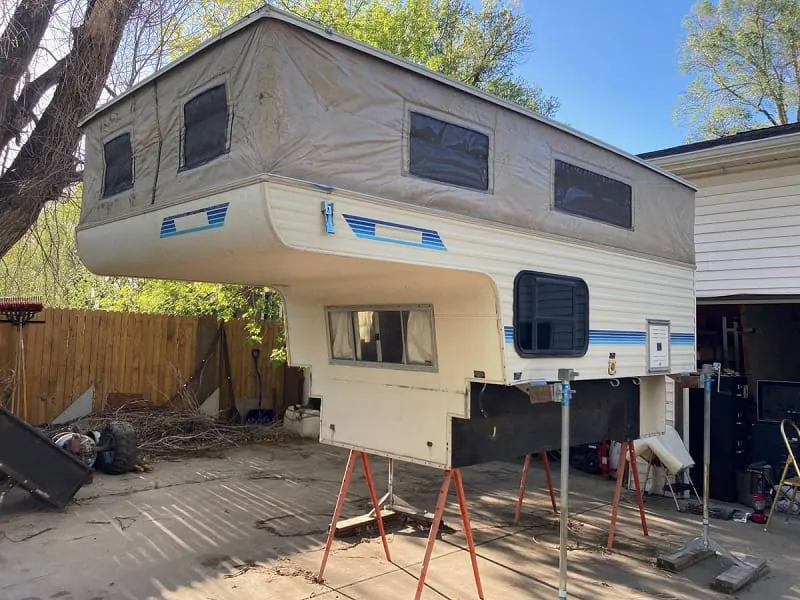
RV Trader. The biggest dedicated marketplace, and the easiest place to filter by price. Their used truck camper listings let you sort under $15,000 nationally, which is how I pulled most of the price data in this article. Dealer listings dominate, but private sellers post there too.
Facebook Marketplace. This is where the real deals — and the real projects — live. Search “truck camper” plus your metro area, and set up saved-search alerts. Used-camper buyers in truck camper Facebook groups often mention that the best sub-$10k campers sell within hours, so alerts matter more than browsing. Always inspect in person; never wire a deposit sight unseen.
Dealer used inventory. Dealers take campers on trade constantly, and a used unit sitting on a lot in November is a motivated seller’s problem. Call local RV dealers and ask what used truck campers they have — many don’t list every trade-in online. You won’t get the absolute lowest price here, but you sometimes get a basic inspection and a short warranty.
Truck camper forum classifieds. Wander the West and Expedition Portal both run active classifieds where long-time owners sell well-documented campers — the kind with maintenance records and honest descriptions. I found a clean older Four Wheel Camper Hawk listed in a Wander the West classified thread at $12,000, paperwork and manuals included. Forum sellers tend to be enthusiasts, which usually means better-maintained campers and straighter answers to your questions.
What Ownership Really Costs After You Buy
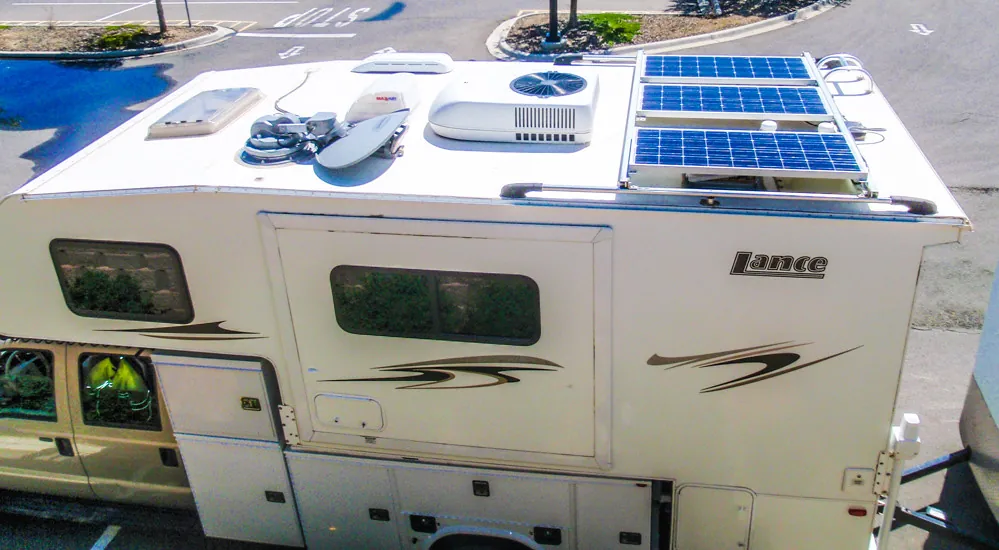
The purchase price is just the entry ticket. Here’s what I budget for in the first year with a sub-$15k used camper:
Maintenance: $300–$800/year. The big recurring job is resealing. Every spring, inspect and touch up the roof seams, window frames, and running lights with proper RV sealant — a tube or two and an afternoon. Owners in truck camper forums report that religious annual resealing is the single biggest predictor of whether a 20-year-old camper stays dry. Budget for a new deep-cycle battery every 3–5 years ($150–$400 depending on type), plus odd bits like vent lids, marker lights, and propane pigtails.
Insurance: a few hundred dollars a year. Most owners add the camper to their auto policy as a rider or buy a standalone RV policy. For an older camper with an agreed value under $15k, owners typically report paying a few hundred dollars annually for comprehensive coverage — cheap peace of mind against theft, hail, and the tree branch you didn’t see.
Upgrades: $500–$2,000 (optional but common). The two upgrades almost every budget-camper owner does: batteries and solar. Swapping a tired lead-acid battery for a LiFePO4 and adding a 200W rooftop panel transforms an older camper for boondocking. My truck camper solar and lithium sizing guide walks through exactly how much panel and battery you need for a fridge and lights. Other popular budget upgrades: a diesel parking heater ($150–$300), new mattress, and LED bulb swaps.
Storage: $0–$200/month. If you can’t park it at home, outdoor storage lots typically run $50–$150/month depending on region; covered storage costs more. A breathable cover ($150–$300) is the budget alternative, and it doubles as UV protection for the roof sealant. Whatever you do, don’t skip winterizing if the camper sits through freezing weather — burst plumbing will erase every dollar you saved on the purchase.
All in, I tell friends to keep $1,500–$2,500 in reserve after buying a sub-$15k camper. You’ll probably spend half of it in year one, and the rest is your insurance against surprises.
The One Genuinely New Camper Near This Price
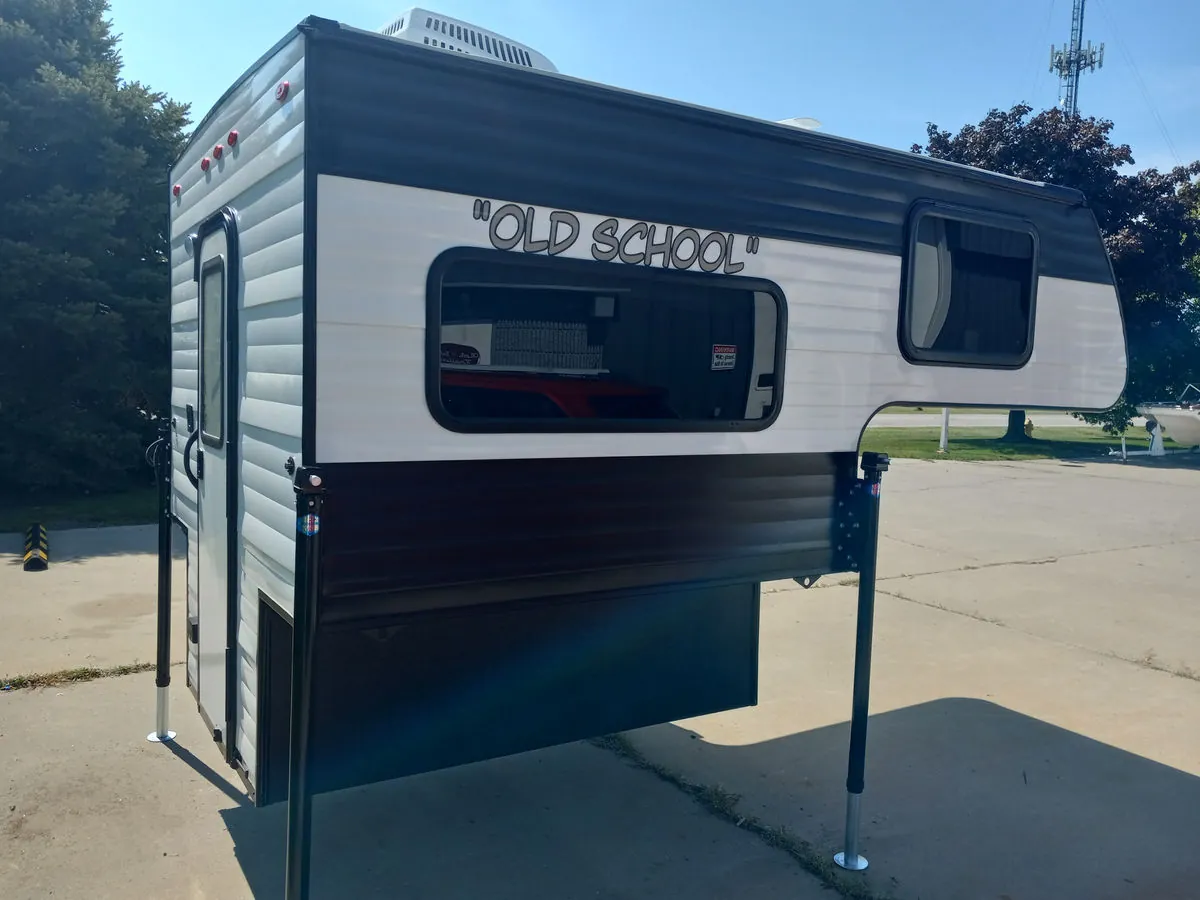
If the used market makes you nervous, there is exactly one new-truck-camper option that starts under $15,000: Old School Truck Campers. They’re a small Indiana builder selling simple, no-frills campers factory-direct, and according to a recent Truck Camper Adventure profile, their aluminum-sided models start at approximately $13,900 (about $15,400 for the slightly larger 850, with fiberglass siding adding roughly $1,000). You can read the full breakdown in Truck Camper Adventure’s piece on Old School.
The trade-offs are real: basic construction, no dealer network (you pick it up in Indiana), and minimal features compared to a used Lance. But it’s new, it’s dry, and it comes with a factory behind it. For someone who wants to skip the used-market gamble entirely, it’s the only honest answer under $15k.
If you’d rather shop used with confidence, start with my broader guide to the best truck camper to buy to narrow down the style that fits your truck and travel plans, then hunt the listings above.
FAQ
Can you buy a new truck camper for under $15,000 in 2026?
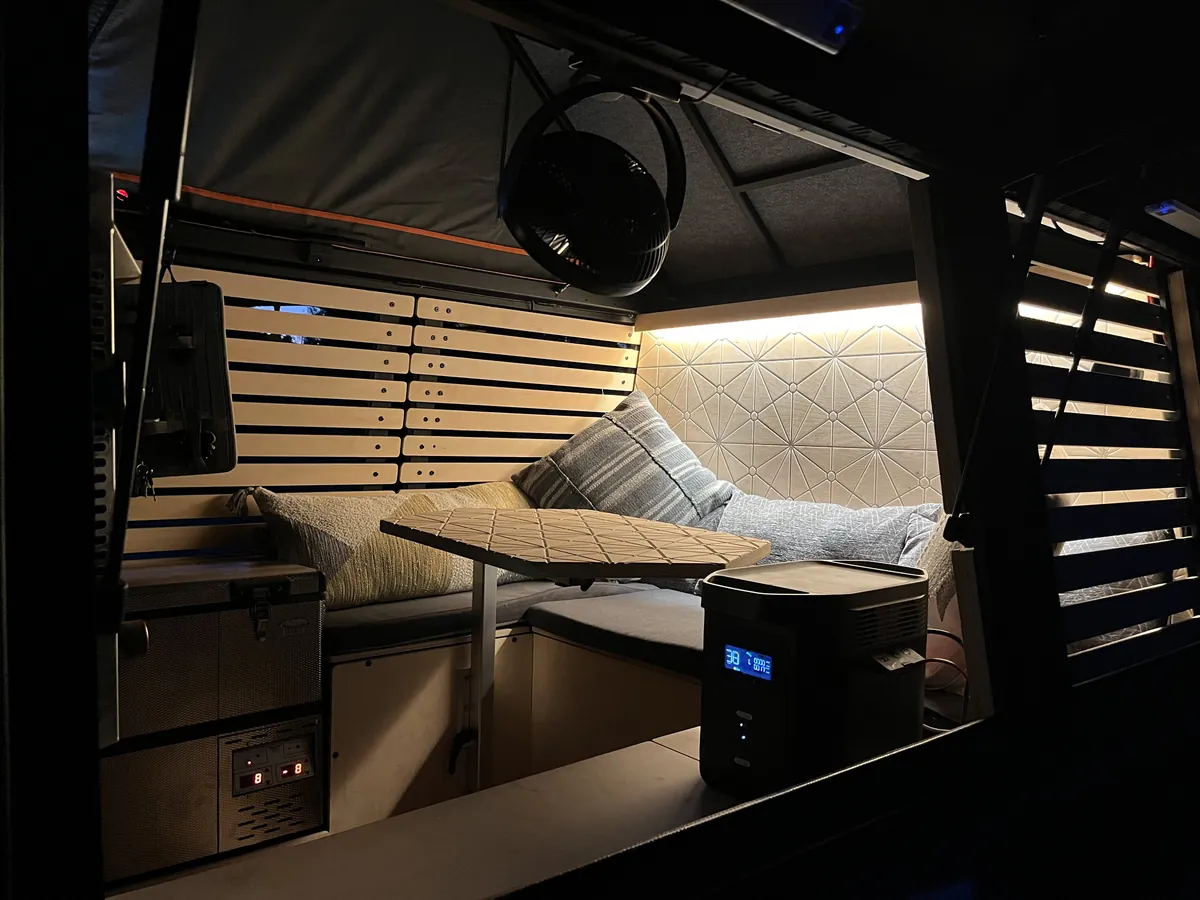
Realistically, no — with one exception. Mainstream hard-side truck campers start well above $30,000 new. The only new option near this budget is Old School Truck Campers’ factory-direct aluminum models, which start at approximately $13,900. Everything else under $15k is used.
What’s the best used truck camper under $15,000?
There’s no single winner — it depends on your truck. For half-ton trucks, an older Four Wheel Camper pop-up (Fleet or Hawk) is hard to beat on weight. For 3/4-ton and one-ton trucks, older Lance hard-sides (880, 915, 945, 981 series) offer the most living space per dollar. Condition matters more than brand at this price: a dry 2002 Lance beats a leaky 2014 anything.
How much should I expect to pay for a used Lance truck camper?
Based on 2026 listings, older Lance hard-sides (1990s–2000s) typically list between $5,000 and $12,000. Smaller, older models like the 880 and 915 sit at the lower end; larger late-2000s models like the 1181 can reach $12,000–$13,000. Price drops fast with cosmetic wear but holds steady for dry, well-maintained examples.
Should I buy from a dealer or a private seller?
Private sellers (Facebook Marketplace, forum classifieds) usually offer the lowest prices, but you buy strictly as-is with no recourse. Dealers charge more but sometimes include a basic inspection or short warranty, and they handle the paperwork. Either way, run the full inspection checklist above — a dealer’s “inspected” sticker is not a substitute for your own eyes.
Will a budget camper fit my half-ton truck?
Sometimes. Older pop-ups like the Four Wheel Camper Fleet (around 1,000 lbs or less loaded) work on many half-tons, but big hard-sides don’t — a 3,000+ lb Arctic Fox or Lance 1181 needs a 3/4-ton at minimum, ideally a one-ton. Always compare the camper’s loaded weight against your specific truck’s door-jamb payload rating, not the brochure tow rating.
Are cheap used truck campers just money pits?
They can be, but they don’t have to be. The campers that become money pits are the ones bought without an inspection — hidden roof rot and freeze-damaged plumbing are the two budget-killers. Buy a dry, mechanically sound camper, reseal it annually, and keep $1,500–$2,500 in reserve for first-year fixes, and a sub-$15k camper is one of the cheapest ways into comfortable camping.
Quick disclaimer: used campers are almost always sold as-is, so your inspection is your warranty. Prices quoted are asking prices from public listings in fall 2026 and move with region, season, and condition — treat them as a range, not a guarantee. Check your state’s title, registration, and insurance requirements before you buy, since they vary.