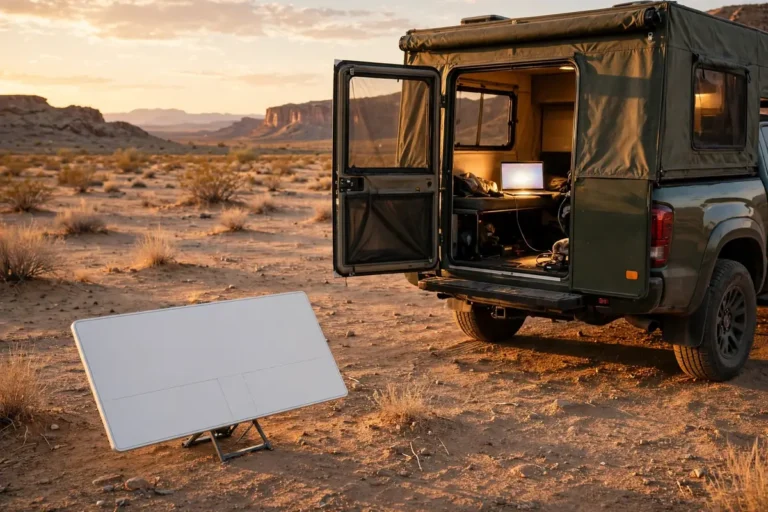

Airbags vs Timbren vs SumoSprings for Truck Campers: What Owners Actually Run
The first time I loaded a real hard-side camper onto my truck and merged onto the highway, a semi passed me and the whole rig leaned like a sailboat. That white-knuckle moment is what starts the airbags vs Timbren truck camper debate for most of us, and most articles about it read like catalog copy. They list features and show shiny product photos, but they never tell you what actual owners learned the expensive way.
I have spent years in truck camper forums where owners on iRV2, WanderTheWest, and Forest River Forums argue this out after living with each setup for seasons, not weekends. They have run all three systems, switched between them, and reported back with greasy hands and strong opinions. This is the compiled owner verdict nobody had written down, including the one airbag setup detail that almost no article mentions and that changes how airbags actually behave under a camper.
Why Your Truck Squats, Sways, and Porpoises in the First Place
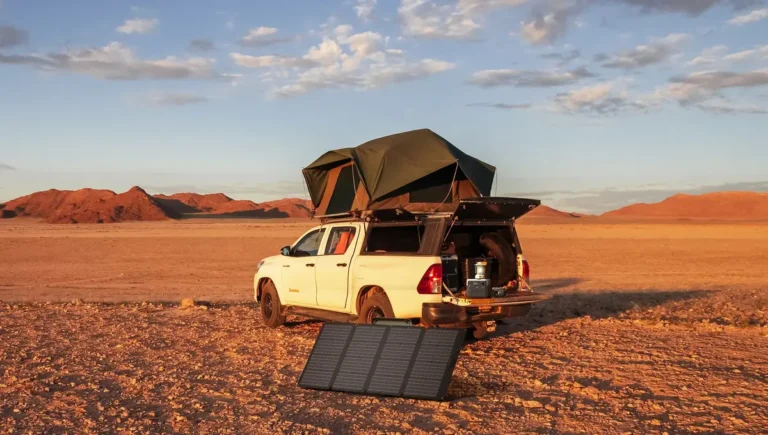
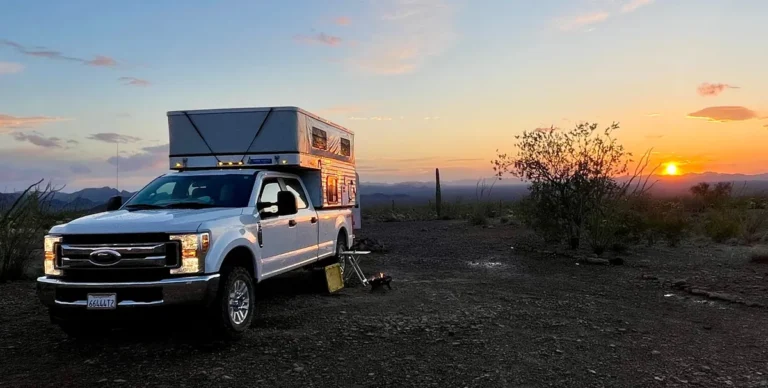
A truck camper is not like a trailer. It sits high, it is top-heavy, and its weight lands directly over your rear axle instead of on a hitch behind it. Drop a 1,800-pound camper into a truck whose rear suspension was tuned for a comfortable empty ride, and the rear squats, the headlights aim at oncoming traffic, and the front tires lose bite. On rolling highways the truck porpoises, that up-and-down chucking that makes passengers queasy. In crosswinds or when a semi blows past, the tall camper acts like a sail and the rear wallows side to side.
Before you buy anything, run your numbers honestly. The helpers we are about to discuss will not save you if you are thousands of pounds over your ratings, so start with our truck camper payload calculator guide and get real scale weights. Assuming your truck is rated for the camper and you just want it to ride level and track straight, you have three serious options: airbags, Timbrens, or SumoSprings. Here is how they actually compare in the real world.
Airbags: The Adjustable Favorite That Demands Respect
Airbags, usually Firestone Ride-Rite or Air Lift kits, are the most popular answer and the most adjustable. A pair of convoluted rubber air springs mounts between your frame and axle, and you inflate them anywhere from about 5 to 100 PSI depending on the load. Firestone rates its Ride-Rite sets at roughly 3,200 to 5,000 pounds of load-leveling capacity per set, and each bag gets its own fill valve so you can level the truck side to side, a genuine trick for a camper that is heavier on the kitchen side.
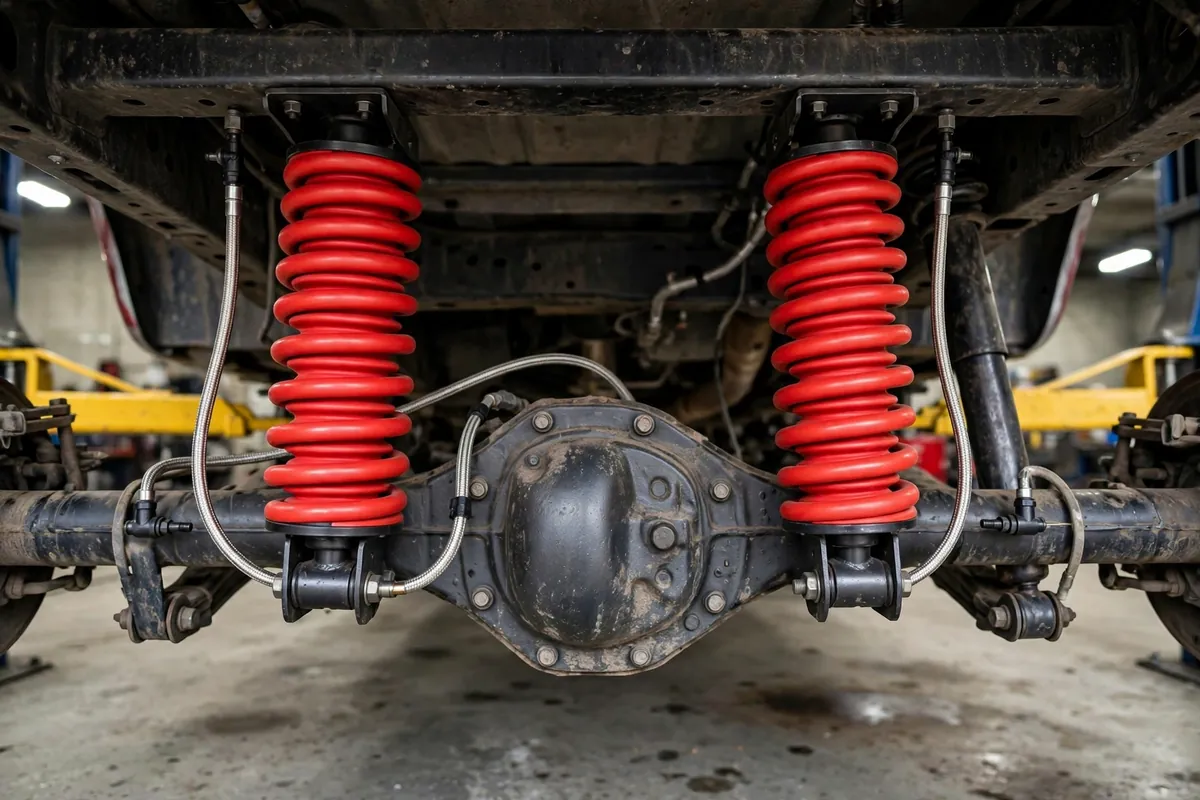
The adjustability is why long-term owners love them. Air down near empty for the daily commute and the truck rides like stock, then pump up when the camper goes on. One Forest River Forums owner runs about 25 PSI on good roads and bumps it to 45 when the pavement gets rough, adjusted on the fly with an onboard compressor. A WanderTheWest owner even uses his bags to level the truck when parked at camp. That is something no rubber helper can do: Timbrens and SuperSprings cannot level a parked camper, full stop.
But airbags have failure points, and cold-climate owners are the loudest about them. Air lines chafe and crack, fittings weep, Schrader valves corrode, and compressors die. One Northeast owner watched winter salt chew up his bag mounts and hardware until he swore off the complexity entirely. Another cold-climate owner on WanderTheWest put it plainly: the last thing he wants to be doing is digging through muck and ice to find an air valve. Slow leaks can also leave you sagging hundreds of miles from home, which is exactly the failure a maintenance-free system never has.
There is one more detail that separates happy airbag owners from the ones who swear bags cause sway. Run the bags independently, one valve per side, and never tee them together into a single fill. If the two bags share one air line, then in a hard turn the air squeezes out of the compressed outside bag and into the inside bag, the opposite of what you want. Owners who learned this the hard way are emphatic: separate valves, always.
Cost-wise, a Firestone or Air Lift kit typically lands around 350 to 600 dollars depending on the application, manual fill included. Add an onboard compressor with a cab controller or wireless setup and owners report 800 to 1,000 dollars all in, which one owner called the best money he ever spent on his tow rig. The cheap shortcut owners share: a cordless tire inflator tossed in the bed does the same job for a fraction of the price, as long as you do not mind five minutes at a rest stop.
Timbren SES: The Set-and-Forget Hollow Rubber Spring
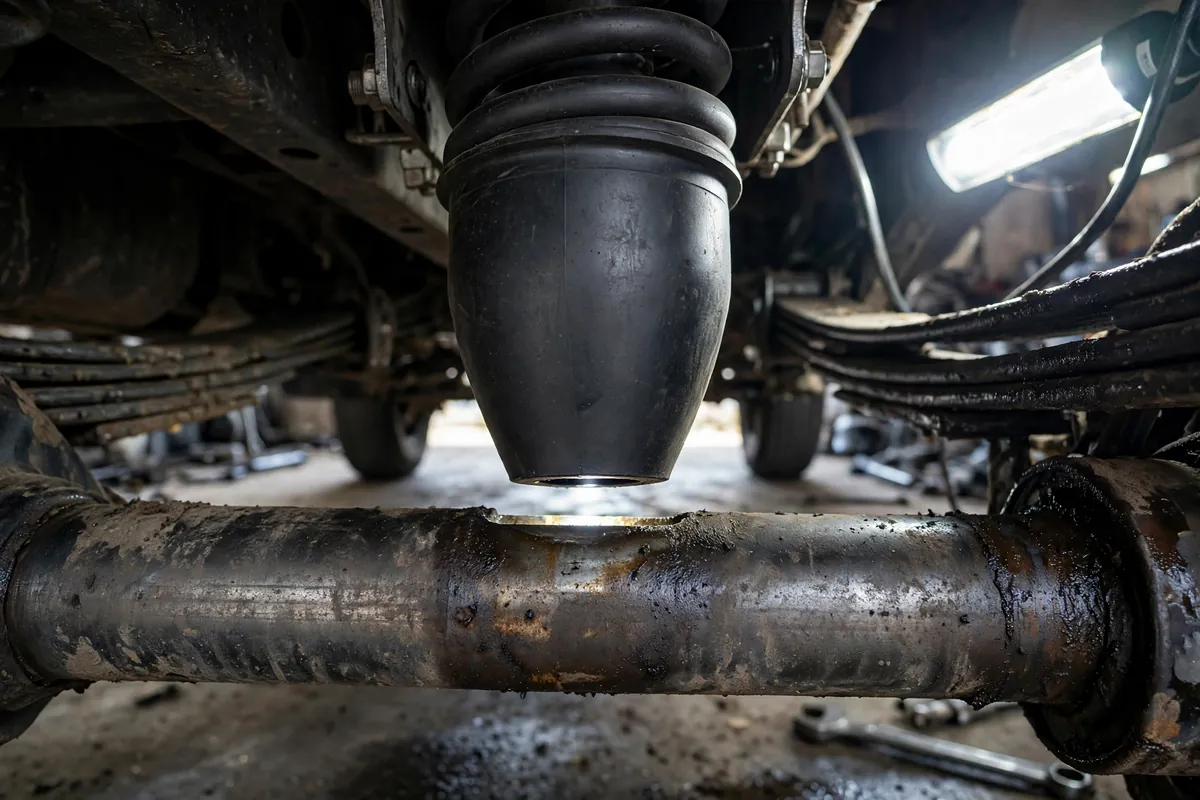
Timbren SES kits take the opposite philosophy. Instead of an adjustable air system, you get a pair of hollow rubber springs that bolt in where your factory bump stops used to live. They install with about an inch of clearance above the axle when the truck is empty, so driving without the camper feels exactly like stock. Load the camper on, the rear squats that inch, the rubber springs engage, and now a progressive helper is carrying part of the weight.
Timbren sells its SES kits in two grades, and the heavier-duty one is the version meant for truck campers, worth knowing because a few bad reviews trace back to people running the light-duty version under a heavy load. Street prices for Timbren SES kits generally come in under a full airbag kit, and owners note that heavy-duty Timbrens cost roughly the same as an Air Lift 5000 kit without a compressor, so this is mainly a budget win when you skip the onboard air.
The love for Timbrens is real and specific. The most quoted owner verdict I found, from a WanderTheWest camper hauler, is that Timbrens kill the sway and stop 99.9 percent of that bounce and vibration that sometimes gets going with the camper on. Others echo it: the porpoising that felt like a mechanical bull with lesser helpers calms down, the rig tracks straighter, and there is simply nothing to maintain. For dedicated rigs where the camper lives in the bed, owners call them a passive solution with nothing to fail when you are far from everything.
The complaints cluster around two things: adjustability and harshness. The blunt version from a Forest River Forums owner is that Timbrens are worthless because they are not adjustable, and you feel that logic the first time you need to level a camper at a sloped campsite. The harshness complaints usually have a specific cause. One owner reported his truck rode like a log truck with Timbrens, and it turned out the helpers were contacting the axle and staying compressed even unloaded, a fitment problem rather than a product problem. But even with correct fitment, a loaded truck rides on stiff rubber over every bump, and several owners eventually went back to airbags for that reason. One put it simply: with Timbrens it felt like riding on the axle over every bad piece of highway.
The honest summary from owners who have run both: Timbrens work well on a budget, but bags are better if you value ride quality and adjustability. Timbren is the set-and-forget answer. It just asks you to accept a stiffer loaded ride and zero tuning.
SumoSprings: The Quiet Middle Child Nobody Talks About

SumoSprings, made by SuperSprings International, are the option most comparisons skip, which is a shame because a growing camp of owners swears by them. They are made from microcellular polyurethane rather than Timbren’s rubber, and that material is the whole story. The urethane compresses progressively, up to about 80 percent of its height with full rebound, so it engages softly over small bumps and firms up as the load grows. Rear SumoSprings kits are rated around 1,400 to 1,500 pounds of load support, the material handles minus 25 to 200 degrees Fahrenheit, and installation is a no-drill bolt-on owners routinely finish in under 40 minutes.
What owners like is the compromise. Like Timbrens, there are no hoses, no compressor, no valves, and nothing to maintain. Like airbags, the engagement is progressive and cushioned rather than the abrupt hit of a stiff rubber helper. One owner who ditched Air Lift bags for SumoSprings reported his van sat at stock height empty, soaked up big bumps better, and sagged less than half an inch under a 950-pound tongue load. Another F-250 owner bought them specifically to cure the up-and-down chucking his truck had under load.
But there is a cautionary tale every SumoSprings shopper should hear, because it applies to all three systems. A Tundra owner ran SumoSprings with his stock leaf pack under a slide-in camper. For a couple of weeks it felt fine. Then it became clear he was riding with all the weight on the helpers, his leaf springs were shot, and his shocks went with them. The lesson the forums repeat in different words: a helper spring cannot rescue a suspension that is fundamentally undersprung or worn out. If your leaf pack is tired or too light for the camper, the correct fix is springs, an add-a-leaf, or a custom spring pack, with a helper on top. No rubber, urethane, or air device replaces adequate steel.
Price-wise, rear SumoSprings kits typically list in the mid-200s to around 300 dollars at major retailers, putting them between Timbren and a full airbag setup in cost, and at the bottom of the pack in maintenance.
The One Setup Detail Almost Nobody Mentions
Here is the insight that changed how I think about airbags, from an iRV2 owner with 35 years of camper hauling behind him across a Bigfoot 1500, a Bigfoot 2500, and a Host Cascade. His rule is simple: airbags are auxiliary support, never the main support.
The reasoning is mechanical and worth understanding. When you inflate airbags fully, the bags lift the load off your factory spring pack. The pack unloads, the overload springs disengage, and you are riding on two balloons instead of steel. That is the setup that introduces more sway, not less, because air springs are softer laterally than a loaded leaf pack. Owners who pump their bags until the truck sits high and call it done are unknowingly making the handling worse.
The correct method, the one that owner has used for decades without a sway problem: inflate only enough to bring the truck level, not higher. Find that pressure, note it, and make it your preset. At that point your spring pack should be sitting where the overload springs are lightly engaged or just touching their stops. The steel keeps doing the structural work. The air just assists and levels.
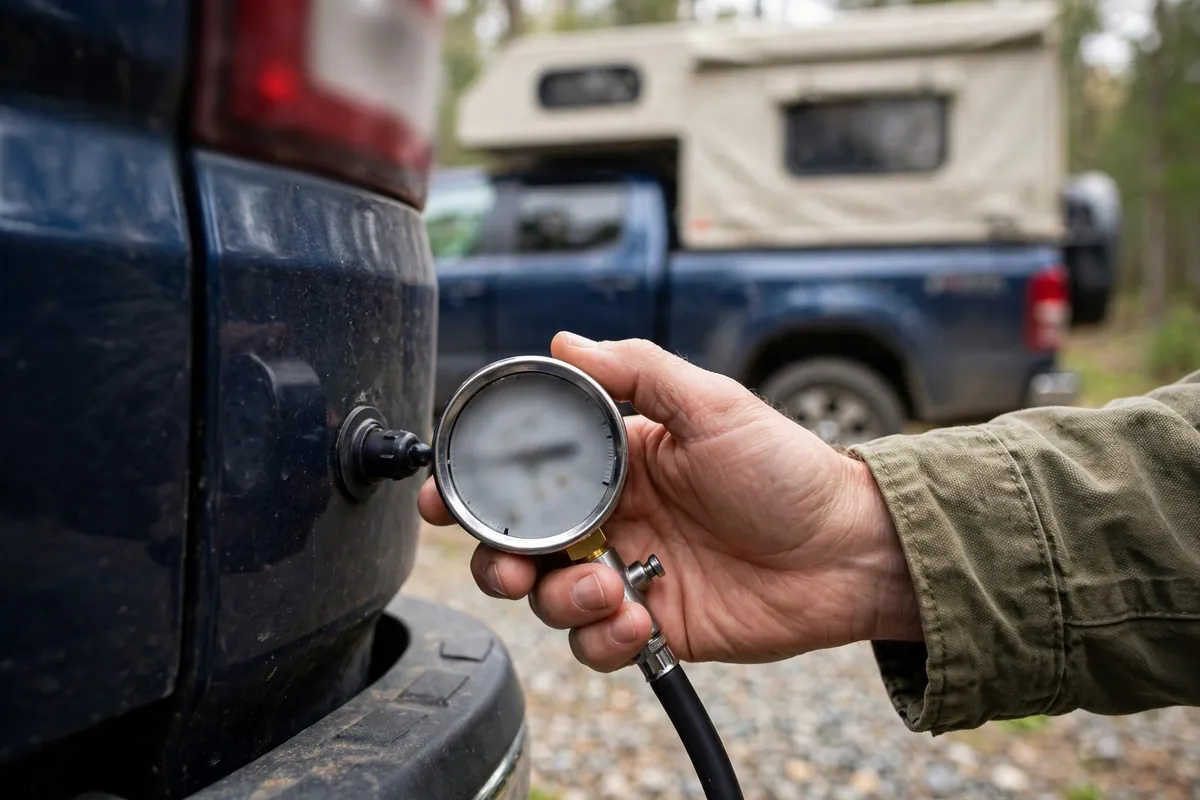
This single detail explains half the internet’s airbags vs Timbren truck camper arguments. The owners who say bags cause sway almost always ran them overinflated. The owners who call bags flawless over thirty years ran them as helpers with the overloads engaged. If you buy airbags, remember: level, not lifted.
Two companion details the forums harp on: run proper load-range E tires at full sidewall pressure when loaded, because soft sidewalls cause more sway than any helper fixes, and do not neglect your shocks. A helper spring controls how far the suspension moves. The shock controls how fast. Owners who paired any of these three systems with quality heavy-duty shocks report the biggest handling improvement of all.
Airbags vs Timbren Truck Camper: Which One Should You Actually Run?
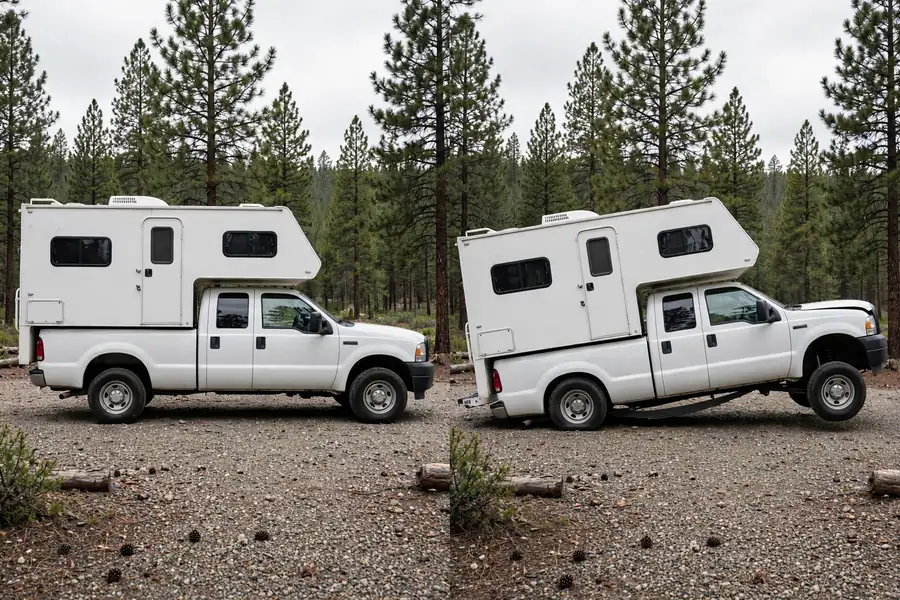
Nobody wins this debate in the abstract. Every forum thread lands in the same place: the best suspension upgrade for a truck camper depends on how you use the truck.
If your truck is your daily driver and the camper comes off between trips, airbags are the crowd favorite. Air them down and the truck rides like stock, which is exactly what one Firestone owner reported after a frustrating Timbren experience. They are also the pick if your loads vary, a pop-up camper one weekend and a bed full of firewood the next, because nothing else adapts in seconds.
If your camper lives in the bed full time, especially on a dedicated overland or full-time living rig, Timbren SES is hard to beat for simplicity. Nothing to check, nothing to leak, nothing to fail two hundred miles down a dirt road. Several owners in this situation say to skip helpers entirely and pay a spring shop for an add-a-leaf or custom pack, which is genuinely the best ride answer when the load never changes.
If you camp in winter or live where roads get salted, lean Timbren or SumoSprings. The owners who deal with mag chloride, ice, and road salt are the most passionate about ditching air systems. Our winter camping guide and winter heating comparison will keep the rest of the rig happy when temperatures drop.
If you want the cushiest loaded ride and do not mind spending more, airbags with an onboard compressor win. Nothing else lets you fine-tune the ride for a rough forest road on Friday and smooth interstate on Sunday.
And if you want low maintenance with better manners than Timbrens over small bumps, SumoSprings are the quiet pick, the system owners buy after getting burned by airbag leaks or annoyed by Timbren harshness. For the rest of the setup around your suspension, our truck camping gear guide covers it.
One thing every camp agrees on: pair whatever you choose with good shocks and proper tires. A helper without damping is half a solution.
The Part You Must Not Get Wrong

This matters more than which product you buy. None of these systems, not airbags, not Timbrens, not SumoSprings, increases your truck’s GVWR, payload rating, or axle ratings. They improve handling and ride height under a load you are already legally allowed to carry. They do not make an overloaded truck safe, and they do not change the numbers on your door jamb. Every manufacturer says it and every forum veteran repeats it.
If your loaded rig is over its gross vehicle weight rating, the answer is a bigger truck or a lighter camper, not a stiffer helper. Run a payload calculator with real scale weights before spending a dollar on suspension. These upgrades make a legal load handle better. They never make an illegal load legal.
FAQ
Do airbags increase my truck’s payload capacity?
No. This is the most persistent myth in the truck camper world. Airbags, Timbrens, SumoSprings, and helper springs of any kind do not change your GVWR, GAWR, or payload rating. They level the truck and improve handling. If you need more legal capacity, you need a different truck or a lighter camper.
Will Timbrens make my truck ride rough when the camper is off?
Not if installed correctly. Timbrens are designed to sit about an inch above the axle unloaded, so they do not touch anything during normal driving and the ride stays stock. If your truck rides harsh empty with Timbrens, check the gap first: owners who reported a log-truck ride usually had a fitment issue with the helpers contacting the axle while unloaded.
Can I run airbags and Timbrens at the same time?
You should not. The Timbrens set a fixed engagement height, so to get any benefit from the airbags you would have to inflate them high enough to override the Timbrens, which kills the adjustability you paid for and creates the overinflated, sway-prone setup described above. Pick one philosophy and commit to it.
What air pressure should I run in my bags with a truck camper?
There is no universal number, but owner-reported sweet spots cluster around 25 to 50 PSI loaded, with a 5 PSI minimum to keep the bags from pinching when empty. The real method: inflate only until the truck sits level, confirm your overload springs are still lightly engaged, and record that pressure as your preset. Never inflate until the truck sits higher than its loaded-on-springs stance.
Are SumoSprings better than Timbrens?
They solve the same problem with a different material. SumoSprings use progressive microcellular urethane that engages more softly over small bumps, while Timbrens use a stiffer hollow rubber spring that owners describe as more abrupt but extremely effective at killing sway. Owners who found Timbrens too harsh often prefer SumoSprings; owners who want maximum sway control on a heavy hard-side camper often prefer Timbrens. Neither is adjustable, both are maintenance-free, and both cost less than a full airbag setup.