Cassette Toilets for Truck Camper Boondocking: The Complete Honest Guide
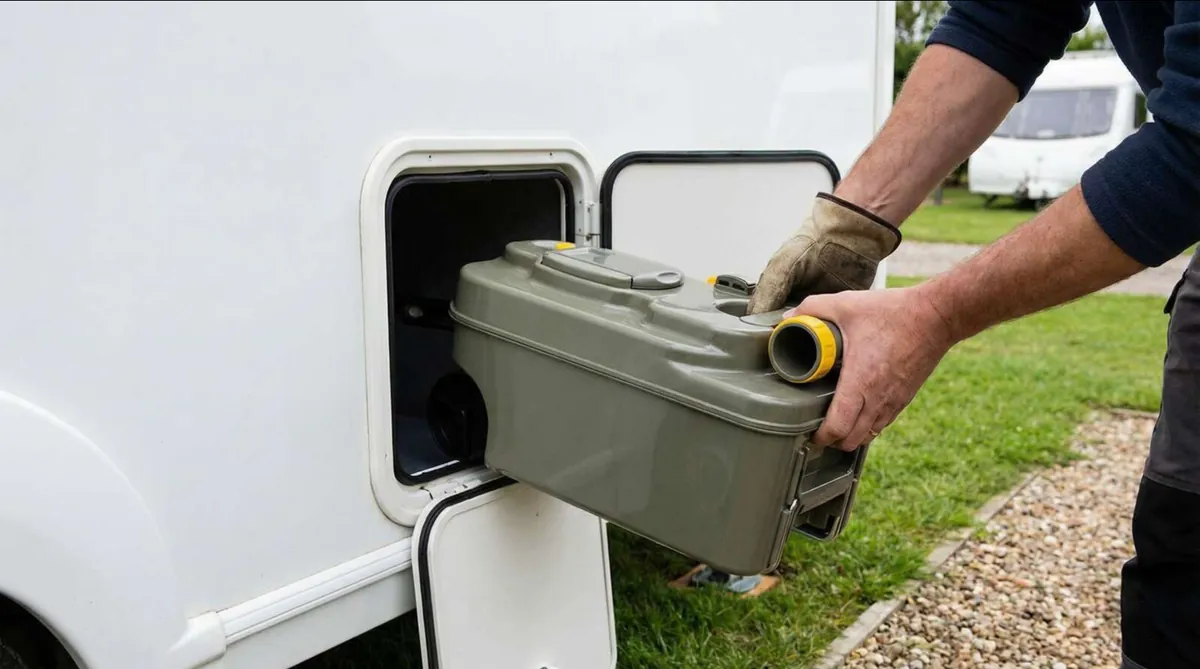
The first time I slid the cassette out of my truck camper’s outside service door, I stood in a gravel parking lot holding what looked like a grey suitcase with a funny spout and thought: this is my life now. That was years ago, and I now run a cassette toilet truck camper full-time between trips. Since then I’ve dumped that suitcase in pit toilets off two-lane highways, in campground bathhouses at dawn, in an RV dump station between two motorhomes three times its size, and — yes — in a regular flush toilet at a rest area when it was the only option. Nobody stared. Nobody cared.
You already know the brochure version: a toilet bowl inside the camper, a removable tank that slides out through an exterior hatch, no big black tank hanging under the floor. What nobody tells you is the lifestyle of it — the rhythm of dumping every few days, the weirdly liberating feeling of being able to empty your toilet anywhere there’s a toilet, the chemical debate that gets people surprisingly heated on the forums, and the habits that separate owners who love their cassette from owners who rip it out. That’s what this is: the lived-experience guide. If you haven’t chosen your toilet type yet, I compare cassette vs composting vs dry-flush head-to-head in my truck camper toilet comparison — this guide assumes you’re already cassette-curious and want to know what it’s like to actually live with one.
What a Cassette Toilet Actually Is (the 60-Second Version)
Built-in cassette toilets — Thetford C-series are the ones you’ll find in truck campers — sit permanently in the wet bath like a normal RV toilet. Under the bowl is a slide valve (the “blade”). Open the blade, do your business, flush with the electric or manual pump, close the blade. The waste drops into the removable cassette below: about 4.5 to 5 gallons depending on the model (Thetford’s C220-series tanks hold 4.75 gallons/18 liters; the C400-series holds 5.1 gallons/19.3 liters, with a separate 4-gallon flush-water tank). When the level indicator says full, you open the exterior service door, release the safety catch, slide the tank out, and carry it to a dump point. That’s it. That’s the whole machine.
The Dump: Where It Actually Goes (and the Etiquette Nobody Explains)
Here’s the sentence that converts more black-tank people than anything else: you don’t need a dump station. An owner on the Good Sam forums who’s run a Northstar truck camper for years put it better than I ever could: cassette owners, in his experience, would never trade it for a black tank — the cassette can be dumped in a regular toilet or an outhouse, it flushes with a button and “a cup or less” of water, and his rule is simple: empty it as often as possible and never wait until it is full. That’s the whole philosophy. Treat it like a small, frequent chore and it stays clean and smell-free. Treat it like a black tank you fill for two weeks and you’ll hate it.
Your actual dump options, from most common to least glamorous:
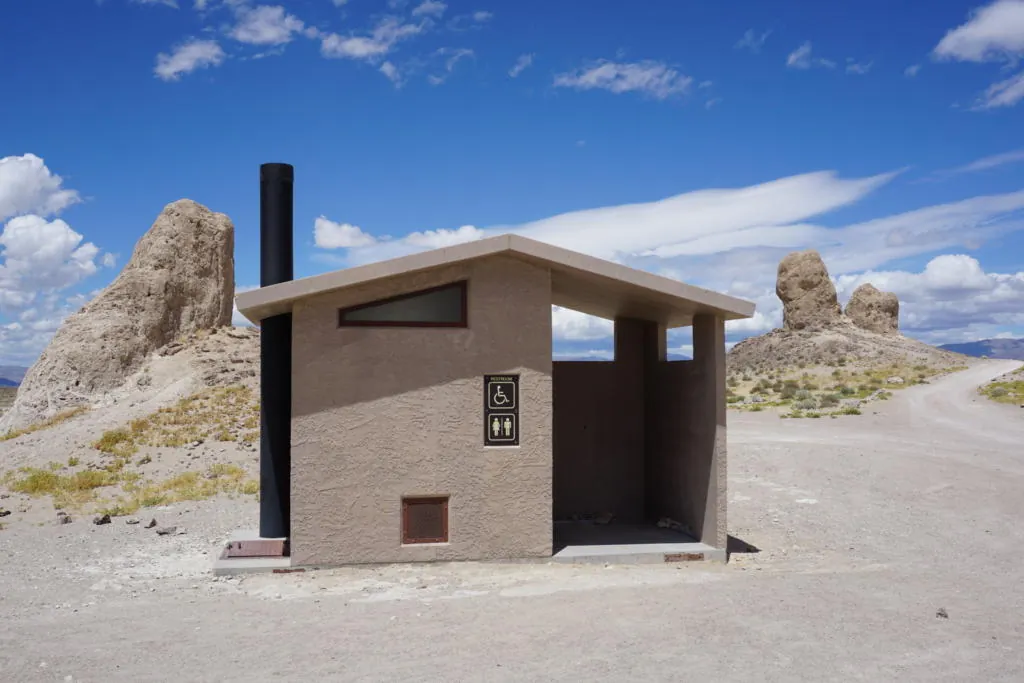
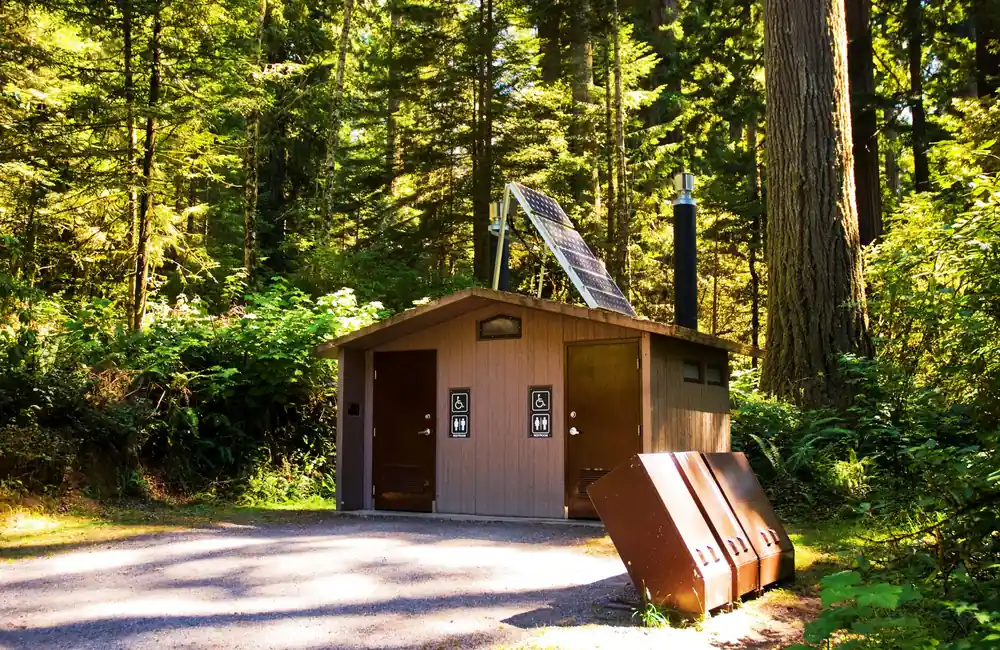
Pit/vault toilets and outhouses. On western two-lane roads, rest areas with outhouse-style toilets are everywhere, and they’re my favorite cassette targets — wide opening, no splash, nobody waiting behind you. An owner who took a Northstar Igloo 9.5 up to Alaska for 75 days got into the habit of dumping every single day: pull into an outhouse rest stop, slide the tank out, pour, rinse, reinstall — he said it took about a minute, “quick and clean as using any outhouse.” He could stretch to two days but never three.
Regular flush toilets. Bathhouses, visitor centers, rest areas. Totally workable, but there’s a technique, and this is where forum wisdom earns its keep. Open the cassette’s air vent button while pouring so the liquid flows smoothly instead of glug-glug-glug (the glugging is what causes splash). Rest the spout low, pour slowly, flush once, pour, flush again. One experienced owner described a ritual of flushing the toilet first and timing the pour to the flush cycle. Gloves on, old clothes on — “don’t wear your best clothes” is actual forum advice and it’s good advice.
Dump stations. The irony is that cassette owners use dump stations too — but differently. One couple described pulling up to a no-hookup campground with a line at the dump station: while the big rigs rolled up their sewer hoses, they walked their cassette to the head of the line and emptied it in seconds, between rigs. And your final dump when you leave camp can just go in your home toilet — multiple owners name that as the single biggest advantage.
A note on etiquette: norms vary by region. Some Australian caravan parks explicitly forbid dumping cassettes into drop toilets unless the manager directs you to. My rule covers every region: dump stations first when available, pit toilets and regular toilets only where it’s clearly accepted, never a storm drain, never open ground, and leave the spot cleaner than you found it. (Waste-disposal rules differ by state and county — when in doubt, ask the ranger or use a dump station.)
Two owner habits I’ve adopted permanently: a bottle of antibacterial hand soap lives in my driver’s door pocket for wash-ups after dumps (stolen directly from that Alaska-trip owner), and I rinse the cassette with a couple of liters of water every dump — most dump stations have a non-potable rinse tap, and a quick slosh-rinse is the difference between a tank that smells like nothing and one that starts telling stories.
The Cassette Toilet Truck Camper Rhythm: Every 2–3 Days, Honestly
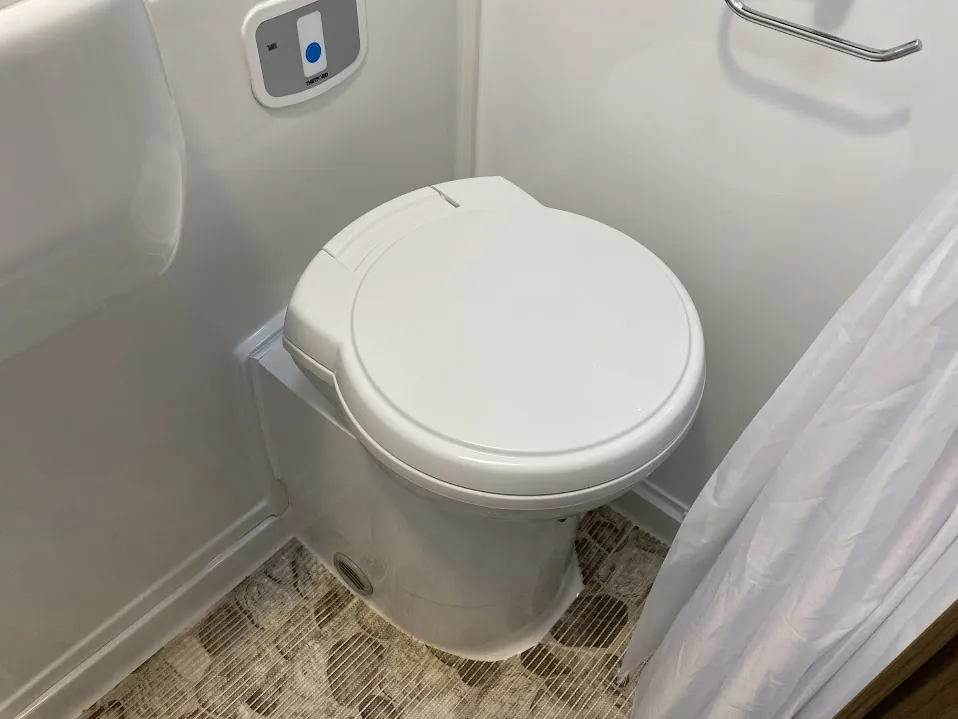
Let’s talk numbers, because this is where most guides wave their hands. A standard built-in cassette holds roughly 5 gallons. For two people using it for everything, real owners consistently report the same rhythm: dump every 2 to 2.5 days (The Fit RV crew, who ran one for years, landed exactly there). One couple who conserves flush water stretched it to five days, but that’s the extreme.
The rhythm changes with habits more than with people:
- How much water you flush matters more than anything. A cassette toilet flushes with a cup or two of water if you let it. The Thetford electric flush is economical by design — pulse it rather than holding it down.
- Whether #2 goes in. Some owners keep a “pee only” rule and use campground toilets or dig catholes for the rest, purely to stretch time between dumps. Others go full use. It’s personal; just know the choice exists and it changes your interval.
- Toilet paper in or out. Not putting paper in the tank saves meaningful capacity (a lidded, lined bin in the wet bath handles it). If you do flush paper, use quick-dissolving Aqua Soft type — ordinary non-quilted paper works fine too; skip the plush quilted stuff.
- The spare cassette. Thetford sells spare waste tanks (a “Fresh Up Set” pairs one with a new seat and lid), and owners on long remote stints carry a second cassette to double their time between dump points. For a couple, two cassettes means close to a week.
One more physical reality: a full 5-gallon cassette weighs around 40–50 pounds — like carrying a packed suitcase one-handed from your camper to the bathhouse. Most cassettes have wheels and an extendable handle so you can roll it. If lifting 50 pounds is a real concern, dump when it’s half-full and this never becomes a problem — or look at a smaller 2.6-gallon Dometic portable-style unit instead.
Chemicals vs No Chemicals: The Honest Debate

This is the topic that gets heated in cassette circles, so let me lay out both camps fairly.
Camp 1: Use the chemicals. Thetford’s Aqua Kem line is the standard: Aqua Kem Blue (pine-scented, a dose lasts up to 5 days) goes into the waste tank with a couple of liters of water, where it liquefies waste, controls odor, and reduces gas build-up. Aqua Kem Green is the eco version — Thetford calls it “absolutely septic tank safe” — with a dose lasting up to 4 days. Thetford’s own care guide covers the whole lineup: Aqua Kem for the waste tank, Aqua Rinse for the flush-water tank, seal lubricant and tank cleaner a couple of times a year. (Thetford warns that exceeding the stated dose can damage seals — stick to the label and just dump sooner instead.)
Camp 2: Go chemical-free with a vent fan. Germany’s SOG company makes a retrofit for Thetford cassette toilets: a tiny 12V fan (about half a watt) that pulls air from the cassette through a charcoal filter and vents it outside whenever you open the blade. No chemicals, no chemical smell. An owner who installed one on an XPCamper truck camper over on Expedition Portal swears by it — and because the waste is chemical-free, it can be dumped at Park Service pit toilets without the formaldehyde question. SOG units work with Thetford and Dometic cassette toilets, and owners in the UK and Australia have used the same idea for years.
Why the debate matters for septic systems: this is the part with real consequences. Blue-style chemical fluids (especially older formaldehyde-based formulas — formaldehyde-based toilet chemicals are banned in Germany) can kill the bacteria in septic tanks, so they should go to mains sewage or dump stations, never septic systems. Green/eco enzyme products are septic-safe, and chemical-free waste from a vent system can go into any septic without worry. When in doubt, check your chemical’s label and the disposal point’s rules before you pour.
My honest take after years of both camps’ company: chemicals work fine if you dump every few days — they’re cheap and simple. But the “never wait until it’s full” rule matters more than the bottle you pour in. An iRV2 owner who ripped his cassette out because it “stank to high heaven” is the cautionary tale: he let it sit too long between empties. The tank wasn’t the problem. The rhythm was.
Winter With a Cassette: Freezing, Antifreeze, and the Burp
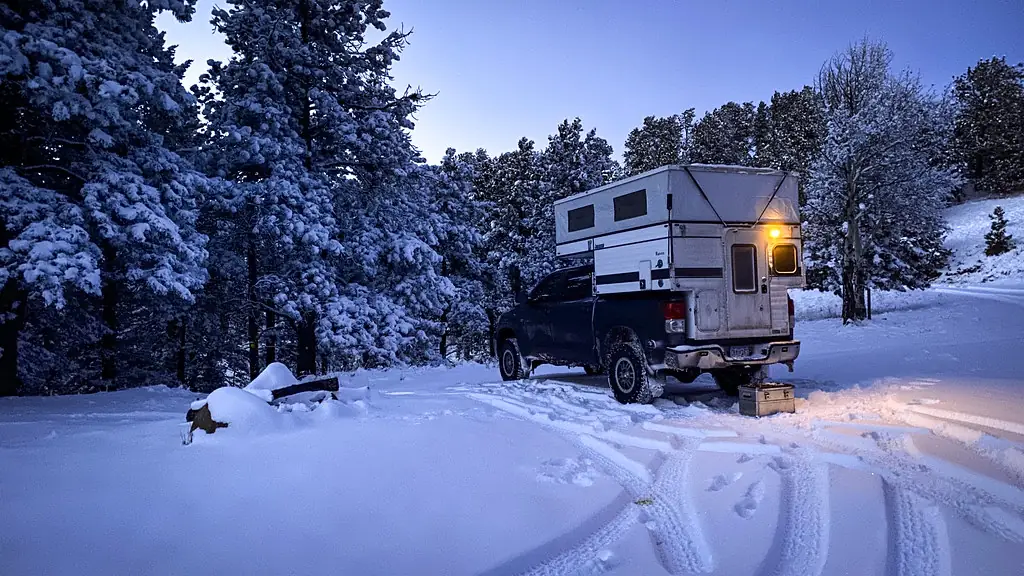
Winter is where the cassette quietly beats a black tank, and an iRV2 thread said it plainly: black tanks are susceptible to freezing temperatures. Your cassette lives inside your heated camper. It doesn’t hang under the floor in the wind — pair it with the camper’s winterization routine and you’re in good shape.
The part that does freeze is the flush-water supply. Owner practice on the forums gets creative: one Northstar owner runs windshield washer antifreeze in the flush supply tank in winter, good to about −40°F in his experience. If you try this, keep it strictly to the flush tank (never your drinking water) — RV antifreeze (the pink propylene glycol kind) is the purpose-made option. It’s an owner hack, not a manufacturer recommendation, and I want to be clear about that.
Two more winter-cassette notes: dump even more often in cold weather (frozen lumps in a cassette are miserable to pour), and close the lid before flushing — the same Northstar owner flagged a little air “burp” from the tank that causes splashback. I thought he was being precious. He was not.
Why Boondockers Disproportionately Love Them
Now you can see why this setup has a cult following among people who camp off the grid. For dispersed boondocking in a truck camper, the cassette solves a cascade of problems at once:
- No dump-station dependency. With a black tank, your trip ends when the tank’s full — you break camp and drive to a dump station. With a cassette, you walk the tank to a pit toilet at the trailhead or empty it in a flush toilet at the visitor center, and stay another week. One couple stretched their bush stays specifically because the cassette let them conserve fresh water while decoupling the toilet from the camper entirely.
- It doesn’t care where you park. Dump the cassette with the camper dropped at your site or on your truck — the tank is portable. You’re not maneuvering a rig over a dump grate.
- Where the black tank was is now storage. Deleting a 20–30 gallon black tank frees a cavity that becomes gear storage — and saves its weight. If you’re doing payload math on a half-ton, that matters.
- Winter camping keeps working. Dump stations close for the season in many areas; the cassette doesn’t care. One writeup of the nuCamp Cirrus 620 — which ships with a built-in 4.75-gallon Thetford C-223S cassette — noted exactly this: its owners are weekenders who dump at home, and winter campers who camp where dump stations are closed. (nuCamp’s own Cirrus page lists the hideaway cassette toilet as standard on the 620.)
Northstar leans into this too — their pop-up 650SC and 850SC models and the hardside Night Hawk all spec Thetford cassette toilets with about 5 gallons of capacity. It’s a deliberate choice by manufacturers whose customers boondock hard.
The Honest Downsides (Because There Are Some)
I love my cassette, but this wouldn’t be an honest guide without the other side:
- You will dump often. Every 2–3 days is a chore rhythm, not a convenience rhythm. If carrying a tank of waste to a bathhouse twice a week repulses you, listen to that feeling.
- It’s heavy when full. ~40–50 pounds of waste in a box with a handle. Dump half-full and this never becomes a problem, but it’s real.
- There’s a learning curve to pouring. Your first few dumps will be clumsier than you expect. Use the air vent button, pour slowly, don’t overfill, wear gloves. By the fifth dump it’s boring.
- The seals need love. Thetford’s guidance: clean the blade seal regularly, use their Seal Lubricant spray, and never use Vaseline or vegetable oil on the seals (it can cause leaks).
- Odor happens if you get lazy. Let it sit full for a week in the heat and any chemistry gives up. The mantra again: empty often, never wait until it’s full.
FAQ
Can I dump a cassette toilet in a regular toilet or an outhouse? Yes — that’s the core advantage. Vault/pit toilets at trailheads and rest areas are the easiest targets, and regular flush toilets work with a slow pour and the air-vent button open. Etiquette varies by region: use dump stations when available, follow posted rules, never storm drains or open ground. (Disposal rules differ by state and county — when in doubt, ask the ranger or use a dump station.)
How long does a cassette toilet last for two people? Plan on emptying every 2 to 3 days with full use. Water-conserving couples report up to 5 days on a ~5-gallon tank; generous flushers get 2. Carrying a spare cassette doubles your range, which owners on long remote trips do routinely.
Do I need chemicals in a cassette toilet? Not strictly. Thetford’s Aqua Kem Blue (up to 5 days per dose) or eco-friendly Aqua Kem Green (septic-safe, up to 4 days) are the standard approach — Thetford’s care page details them. The alternative is a vent-fan system (like the SOG retrofit) with a charcoal filter that lets you run chemical-free. Either way, dumping frequently matters more than the product.
Can I use a cassette toilet in winter? It’s one of the better winter setups — the tank lives inside the heated camper instead of freezing under the floor like an underbody black tank. Protect the flush-water supply from freezing (RV antifreeze is the purpose-made option), dump more often so waste can’t freeze solid, and close the lid before flushing to avoid splashback.
How heavy is a full cassette toilet tank? Around 40–50 pounds for a 5-gallon tank — like carrying a packed suitcase. Most cassettes have wheels and a handle. If that’s a lot for you, dump when it’s half-full and it’s a non-issue.
Will my camper smell? Not if you run the rhythm: dump every 2–3 days, keep the blade closed between uses, dose chemicals correctly (or run a vent system), and maintain the seals. Owners who love their cassettes all share the same habit — they empty early and often. Owners who hate them almost always let the tank sit too long.
The cassette asks one thing of you: a two-minute chore every couple of days, wherever you happen to be. In return it gives you something no black tank can — a toilet decoupled from infrastructure. No dump-station hunts, no breaking camp, no sewer-hose theater in a gravel lot. Just a grey suitcase, a spout, and the quiet freedom to stay out longer. After years of living with it, I get why so many owners say they’ll never go back.