Rent a Truck Camper Before You Buy: Where to Find One and What to Check (2026)
I learned more about truck campers in one rented weekend than in six months of scrolling classifieds. If you’re anywhere near buying one, rent a truck camper before you buy. Nothing else tells you the truth this fast — not the walkthrough video, not the dealer’s pitch, and definitely not the brochure with its fantasy dry weight.
A weekend rental is the cheapest tuition in truck camping. Here’s where the rentals actually are, the truck problem nobody warns you about, what insurance really covers, and exactly what to evaluate while you’ve got the keys.
Where to Rent a Truck Camper: The Platforms That Actually Have Them
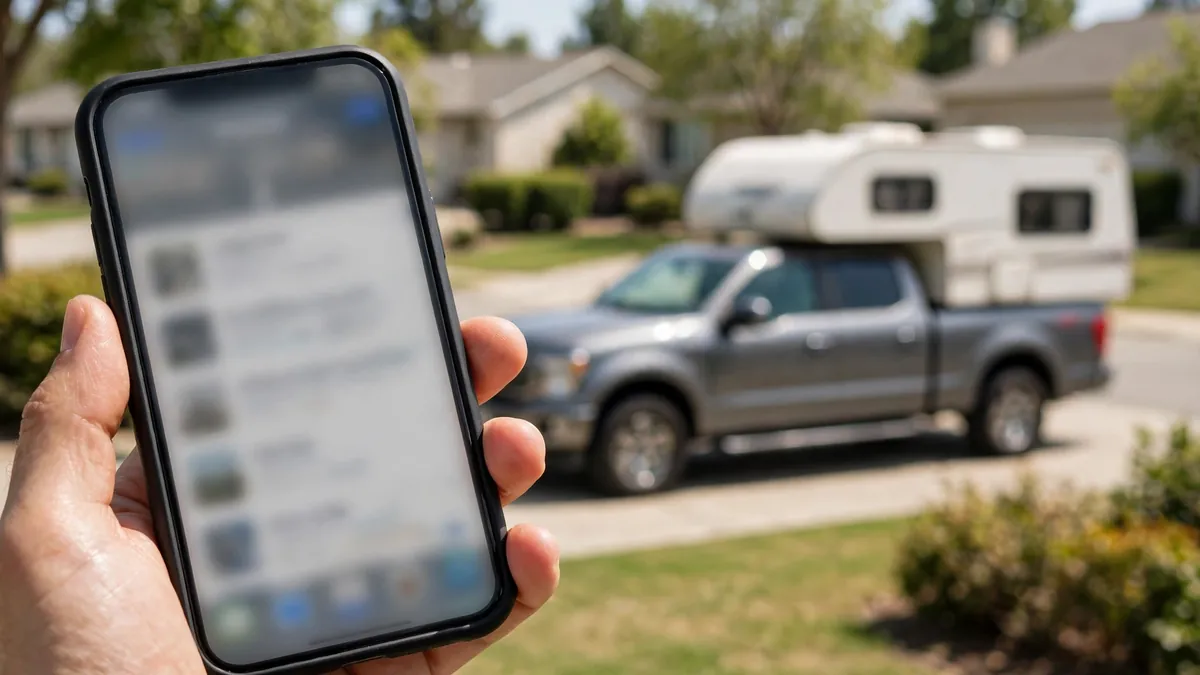
Truck campers are rare on rental sites compared to Class C motorhomes, and that’s the first thing to accept. A search for “truck camper” on the big platforms will return a handful of listings in some regions and nothing in others. Start early, and don’t fall in love with one listing before you’ve messaged the owner.
Outdoorsy is the best starting point. It’s the largest peer-to-peer RV rental marketplace, and it does list truck campers — owners list their personal rigs, scattered across the country (I’ve seen active listings from Hawaii to the mainland). Search by destination, filter for the truck camper type, and message hosts directly. Bookings come with insurance packages and 24/7 roadside assistance. Outdoorsy
RVshare is the other big peer-to-peer marketplace, with over 100,000 U.S. listings. Truck campers are a small slice of that inventory, but RVshare’s strength for try-before-you-buy shoppers is delivery: many owners will deliver the rig to a campground, set it up, and pick it up afterward — a legitimate option even if you don’t own a truck yet. RVshare
rvcampersharing.com is a smaller niche directory worth a glance — but know that its bookings are actually processed through Outdoorsy (the site says it may earn a commission), so treat it as a front door to the same inventory rather than a separate marketplace. rvcampersharing.com
Dedicated truck camper rental companies are the gold standard. GoNorth in Alaska rents 4×4 truck campers with the truck included — a package you almost never see on peer-to-peer platforms. Published rates run about $114/day off-season to $246/day in peak season, plus mileage. In the lower 48, search overland and expedition rental companies near your destination — the Utah/Colorado corridor and the Pacific Northwest have several. GoNorth truck camper rentals
Local dealers are the overlooked option. Some keep a demo or loaner unit they’ll rent for a weekend, especially off-season when inventory sits. If you’re already talking to a dealer about buying, ask outright: “Can I take one home for a weekend?” If the dealer gets cagey about simple requests, that’s useful information too — we keep a list of dealer red flags for exactly this stage.
One practical note: listings go stale. A well-known rental blogger advises putting out multiple inquiries because a listing that shows available will sometimes reply that those dates are actually booked. Message three or four owners, compare 2–3 units, and judge on the rig and the owner’s responsiveness — not just the nightly price.
The Big Gotcha: Most Rentals Need YOUR Truck
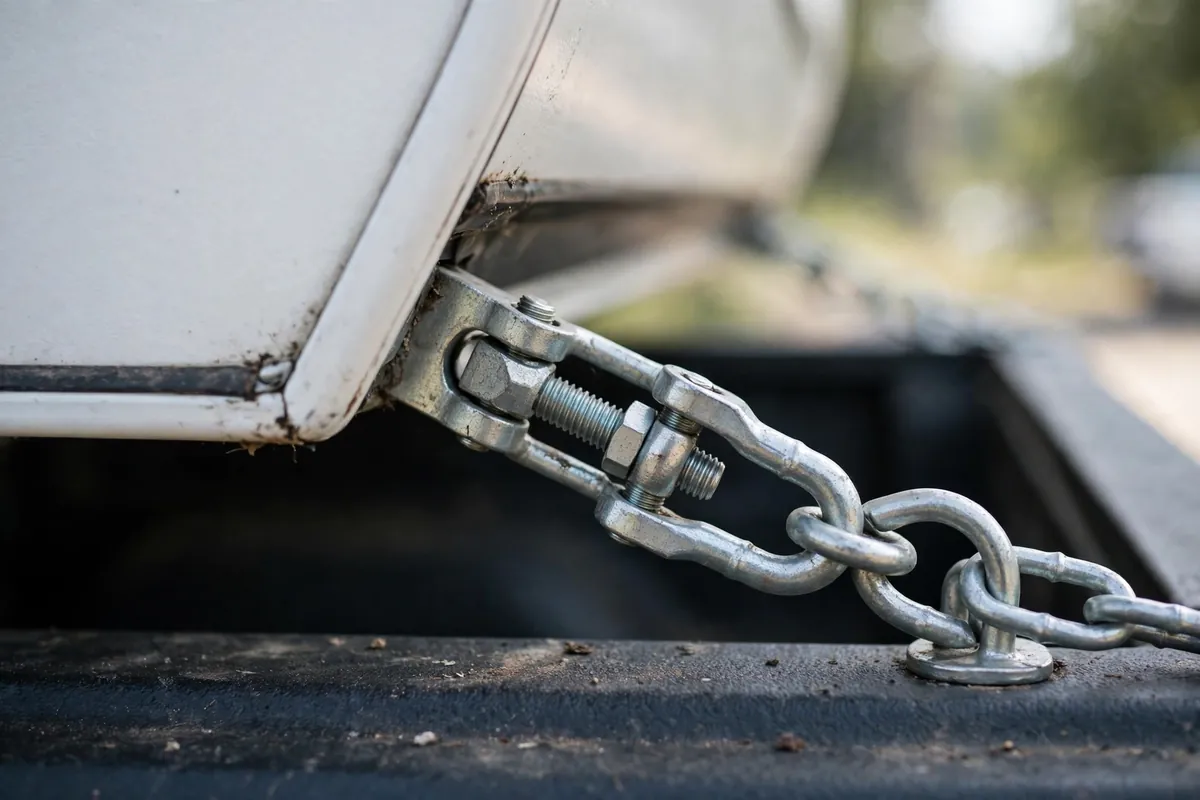
Here’s the thing that separates truck camper rentals from every other RV rental: the camper is not a vehicle. It’s cargo — renting it and driving it are two different problems.
On Outdoorsy or RVshare, when you rent someone’s truck camper, you’re usually renting just the camper. It has to go in your truck bed — and “my truck” is doing a lot of heavy lifting in that sentence. The camper needs to match your truck’s bed length (short vs. long), your payload capacity, and the tie-down system, which is often specific to the owner’s setup (Torklift, Happijac, or Brophy frame mounts — all different).
So before you fall for a listing, answer three questions:
Can your truck carry it? Not the brochure number — the number on the yellow door-jamb sticker. In owner forums, Tundra owners have repeatedly reported door-jamb payload stickers around 1,380 lbs when the advertised payload was closer to 1,940 — the sticker accounts for your actual truck as built, not the lightest configuration used for marketing. A current Four Wheel Camper Fleet has a listed dry weight around 1,045 lbs, which looks fine against 1,380 lbs of payload until you add water (20 gallons is ~167 lbs), propane, food, clothes, and yourself. Run your own numbers with our truck camper payload calculator guide before you message any owner.
How does it get attached? Ask the owner what’s required on the truck side: frame-mounted tie-downs, a bed mat, a specific turnbuckle setup. Some owners include the full kit and install it for you; some assume you have your own. This is the single most common rental surprise — ask in writing, never assume.
Or skip your truck entirely. Two ways around the truck problem: delivery, where the host brings the rig to your reserved campsite, sets it up, and picks it up later (delivery is at the host’s discretion and usually costs extra based on distance, per Outdoorsy’s help center); or a truck+camper combo rental from a dedicated company like GoNorth. Combos are rare and book up fast.
Skip renting a generic pickup from a mainstream agency and dropping a camper in it — rental trucks lack tie-down anchors, and the agreement won’t cover carrying a slide-in camper.
Rental Insurance: What’s Actually Covered (Read This Twice)
I’m a camper owner, not an insurance agent, and none of this is insurance advice — read the actual terms before you pay. Here’s the plain-language version, because the marketing copy oversimplifies it.
On Outdoorsy, protection is built into the booking: liability coverage (up to $500k on the top Peace of Mind package — the number that matters if you hit someone), comprehensive and collision for the rig, and 24/7 roadside assistance. The part people miss is the deductible: typically $1,500 to $2,500. A Security Deposit Waiver — a flat $99 on non-Class-A rentals — buys the deductible down to $0 on covered claims. Not covered: interior damage, blown tires, cleaning fees. Those come out of your pocket, waiver or not.
On RVshare, every booking includes bundled insurance options plus 24/7 emergency roadside assistance. Coverage tiers and deductibles vary by rig, so price it out during checkout rather than assuming.
The disclaimer, plainly: your auto policy probably treats a rented truck camper as cargo, and the owner’s policy treats it as their property you’re borrowing. The platform’s protection package is the bridge, and it has edges — per-loss deductibles, excluded damage types, territory restrictions. Take ten minutes with the terms of service before the trip, not after something breaks. If you’re at the stage of insuring your own camper, our truck camper insurance guide walks through costs and coverage types for owners.
What to Evaluate During Your Rental Weekend
The rental isn’t a vacation — it’s a research trip with marshmallows. Test deliberately. Here’s the checklist, built from what owners say they wish they’d known.
The drive: sway, porpoising, and the payload reality check
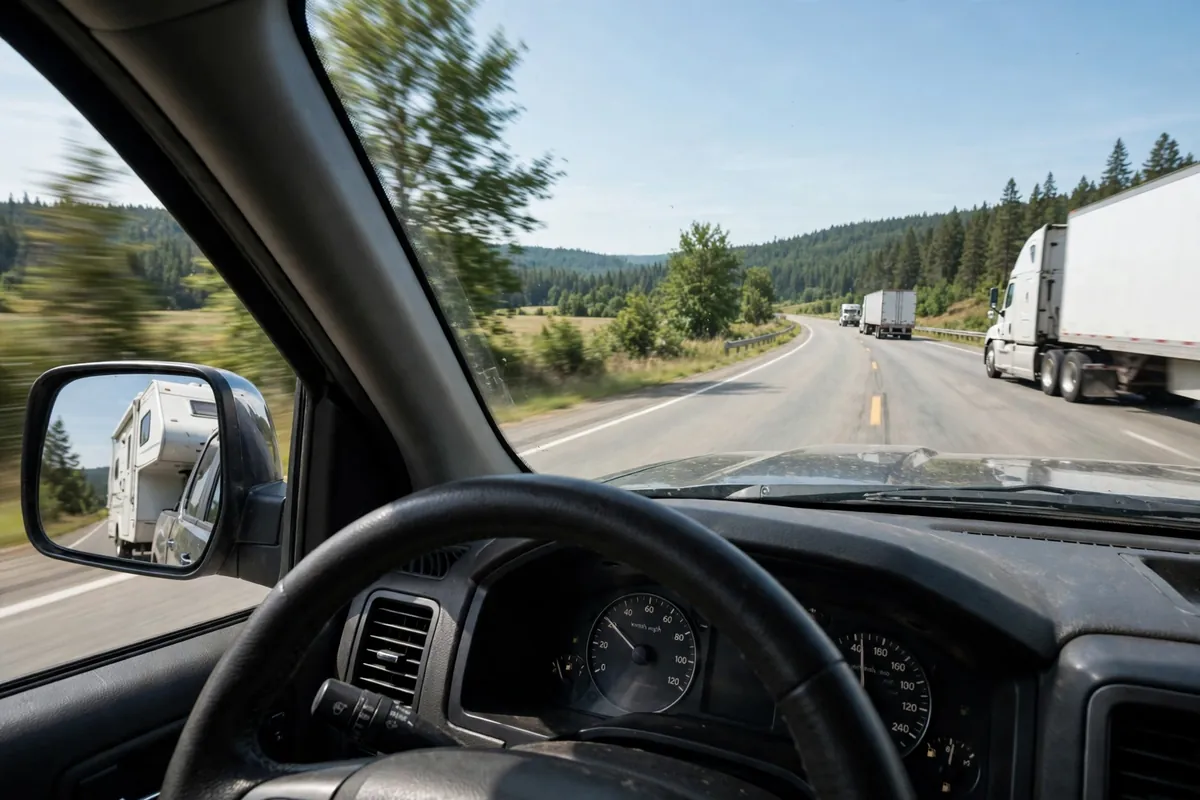
The single most common surprise in truck camping is how the rig drives. Owners on the iRV2 forums describe buying their first camper and discovering their wife hated the sway so much they ended up buying Stable Loads, heavier bump stops, and a sway bar within weeks. Over on Expedition Portal, one owner reports his Tundra carried a Four Wheel Camper fine with airbags, but stepping up to an F-250 with nearly 2,000 lbs more payload transformed the drive — and most half-ton trucks with campers are over GVWR whether the owner admits it or not.
Your rental is the place to learn your tolerance. On the highway, note: does it sway when semis pass? Does it porpoise over bridge joints — that rhythmic bounce that makes your stomach drop? Does crosswind steering exhaust you after an hour? Weigh the loaded rig at a CAT scale if you can; the number is often sobering. A rental weekend tells you whether you need a 3/4-ton truck, suspension upgrades, or nothing at all — and that answer is worth thousands.
The bed: sleep in the cabover both nights

Truck camper mattresses have a reputation, and it’s earned. The stock foam in most campers is a cost-cutting afterthought, and the cabover shape means a standard topper won’t always fit. On the Good Sam forums, owners debating weight savings land on the same conclusion: don’t try to save weight on the mattress — if you can’t sleep well in the camper, what’s the point of having it? Over on iRV2, “replace the mattress” is one of the first things new buyers are told.
So: sleep in the cabover both nights. Note whether you sleep through or wake up with a dead hip, and try the 2 a.m. bathroom run — the cabover exit is a gymnastic move in the dark, and some people hate it enough to rule out cabover layouts entirely. Budget a mattress upgrade into your real purchase price; most owners consider it mandatory, not optional.
The floor plan: live it, don’t just look at it
Dealership walkthroughs last ten minutes. A rental lasts a weekend, and that’s the difference between admiring a floor plan and living in one. Cook a real meal. Get dressed standing up. Sit on the toilet with the door closed. Climb in and out of the bed at 2 a.m.
This is also your chance to settle the big format question: hard-side vs. pop-up. A rental weekend in each tells you more than any comparison article — though if you want the theory first, our pop-up buyer’s guide covers the best models and the tradeoffs. The things people discover by living in it: the dinette is too small for real laptop work, the bathroom door hits the bed, there’s nowhere to stand and change, and the “sleeps four” claim requires everyone to like each other a lot.
The systems: run everything like you own it
Water pump, water heater, furnace, fridge on propane and 12V, stove, lights, roof vent fan. Fill the fresh tank and watch the monitor panel. Run the furnace overnight and note propane use and battery drain by morning. If the camper has solar, check the controller at noon vs. dusk.
Nobody at a dealership will let you do this. An owner handing you the keys for three days usually will — and if something doesn’t work, that’s data, not a disaster. Message the owner; good owners want to know.
Dealer Rent-to-Buy: What Actually Exists
This is the question I get most: “Will a dealer let me rent it and apply the rent toward the purchase?” Honest answer: sometimes — but there’s no standardized program, and the rent-to-own world is built for towables.
Several dealers advertise rent-to-own camper programs — Campers & More, Camp-A-Rama, and RV Value Mart publish terms like 20% down and 24- to 60-month structures. But those are designed around travel trailers and fifth wheels. Truck camper-specific rent-to-own programs are rare to nonexistent as far as I can verify — a truck camper is cargo, not a titled vehicle in most states, which makes the structure awkward for dealers.
What does exist when you rent a truck camper with a purchase in mind, informally:
- Weekend demo rentals from dealers with slow-moving inventory. Ask, especially in the off-season.
- Rent credited toward purchase. Some dealers will apply a weekend’s rental fee to the price if you buy within 30–60 days. Get it in writing — a verbal “yeah, we’ll work with you” evaporates at the finance desk.
- Private sellers who’ll agree to an extended test. On a used camper, offering a refundable deposit for a weekend trial is a reasonable ask, and it pairs naturally with a thorough inspection — run our used truck camper inspection checklist before money changes hands.
The Cost Math: One Rental vs. Buying Blind

Let’s put numbers on it, because “just rent one” is easy advice to give with someone else’s wallet. A long weekend on the peer-to-peer platforms typically lands around $100–$250/night for larger rigs — RVshare puts most rentals in the $100–$300/night range, Outdoorsy quotes $75–$150 for small trailers and $100–$250 for larger ones. So three nights: roughly $300–$750, plus cleaning and service fees. Call it $500–$1,000 all-in for a proper test weekend. Off-season, less.
Now the cost of buying blind:
- Buying the wrong floor plan and reselling within a year: expect to lose 15–25% to depreciation and transaction friction on a $20,000 camper — that’s $3,000–$5,000 gone, and that’s if you bought well.
- Hidden water damage you missed because you didn’t know what to look for: forum owners describe $4,000+ delamination repairs on campers whose previous owner had “trivialized” a small leak. One rental teaches you to smell for mustiness and press on walls; a $300 inspection catches the rest.
- Suspension upgrades you didn’t budget for: airbags, Stable Loads, a Hellwig sway bar, better shocks — $1,000–$2,500 installed, often discovered on the first highway trip.
- The mattress you replace in month one: $200–$600.
The rental pays for itself if it changes one decision — the floor plan, the truck you pair it with, or walking away from a water-damaged unit. For the full ownership picture, our true cost of truck camper ownership breakdown covers what a camper costs per year beyond the sticker price.
How to Book Smart
Two rules cover most of it: message several owners, not one (stale listings are common, and a quick helpful reply says a lot about the owner), and rent off-season if you can — same rig, lower rates, and you’ll learn how the furnace and insulation perform. Film the walkthrough, spend your first night close to home, and treat the owner’s rules as law: generator hours, no pets, dump before return.
Frequently Asked Questions
Can I rent a truck camper if I don’t own a truck?
Yes — two ways. First, book a listing that offers delivery and setup: the owner brings the camper to your reserved campsite, sets it up, and retrieves it afterward; you just show up in your car. On Outdoorsy, filter for delivery when you search. Second, look for truck+camper combo rentals from dedicated rental companies — the pickup comes with the camper already mounted. These are rare on peer-to-peer platforms but they’re the true try-before-you-buy experience.
How much does it cost to rent a truck camper?
Roughly $100–$250 per night on peer-to-peer platforms — about $300–$750 for a 3-night weekend before fees. Dedicated truck+camper companies publish rates like $114–$246/day plus mileage. Off-season and weekly discounts bring the per-night cost down significantly.
Does the rental include tie-downs and the mounting hardware?
Sometimes — and you must ask in writing before booking. Tie-down systems (Torklift, Happijac, Brophy) are often specific to the owner’s truck: some owners include the full kit and install it on yours, others assume you have your own. Never assume.
Is insurance included in a truck camper rental?
On Outdoorsy and RVshare, insurance and protection packages are built into the booking — typically liability coverage, comprehensive/collision for the rig, and 24/7 roadside assistance. You’ll still owe a deductible (commonly $1,500–$2,500 on Outdoorsy), though a ~$99 waiver can buy it down to $0 on covered claims. Interior damage, blown tires, and cleaning fees are generally not covered. I’m not an insurance agent — read the platform’s actual terms before your trip.
Will my half-ton truck carry a rental truck camper?
Maybe — and the only number that matters is the payload rating on your driver’s door-jamb sticker, not the brochure figure. Owners repeatedly find their actual sticker payload hundreds of pounds below the advertised number. Add the camper’s loaded weight (dry weight plus water at ~8.3 lbs/gallon, propane, gear, and passengers) and compare honestly. When in doubt, rent a lighter pop-up or choose a delivered rental.
Should I rent a pop-up or a hard-side camper to compare?
If you can, rent one of each on separate weekends — the fastest way to settle it. Pop-ups are lighter, cheaper, and easier on half-ton trucks; hard-sides offer real insulation, headroom, and a proper bathroom. Our pop-up buyer’s guide covers the best models if the pop-up wins your test.
Do dealers offer rent-to-buy programs for truck campers?
Formal rent-to-own programs exist but are built around travel trailers and fifth wheels, not truck campers. Realistic options: a weekend demo rental from a dealer (ask in the off-season), a private agreement to credit rental fees toward purchase (get it in writing), or an extended test weekend on a used unit with a refundable deposit — paired with a proper inspection.