
Can Your Truck Safely Carry a Truck Camper?
Truck Camper Compatibility Checker
Check your truck’s compatibility with a camper using Payload or GVWR. Get rear-axle warnings, truck class, and camper recommendations.
How to Read Your Truck Camper Results
1. Safe Setup
You have enough capacity with a healthy safety margin. Your truck can handle this camper without stressing suspension, brakes, or rear axle.
2. Borderline Setup
You’re close to the limit. Handling, braking, and rear axle load need attention. Lighter campers or reduced gear are strongly recommended.
3. Not Safe
Our truck is overloaded. This setup risks suspension damage, brake issues, tire failure, and unsafe handling.
Payload vs GVWR – Which Mode Should You Use?
1. Payload Mode (Recommended for Most Truck Owners)
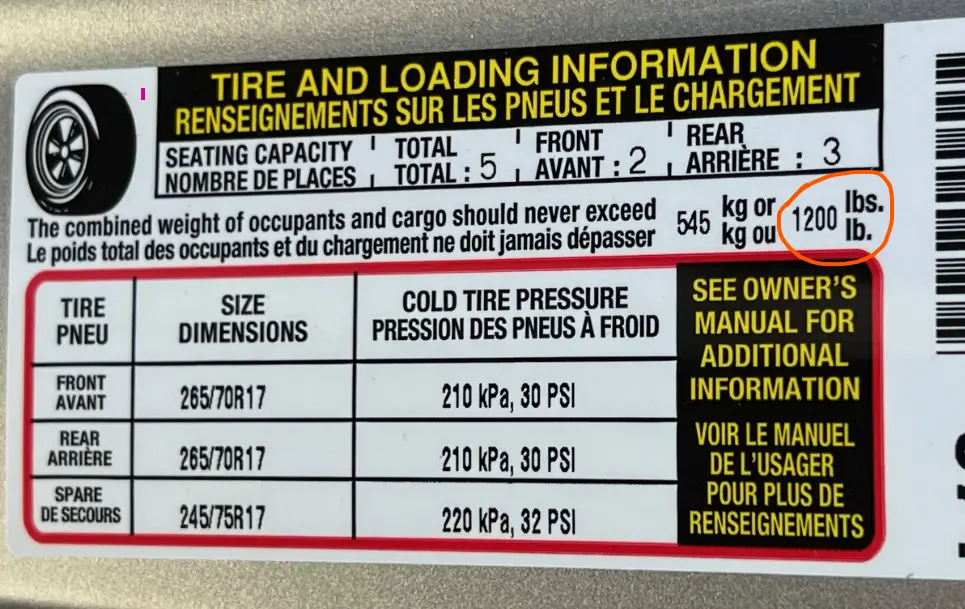
This method uses the payload number on your truck’s door sticker. The tool subtracts passengers, gear, and the camper’s loaded weight. If the camper uses more weight than your payload allows, the setup is not safe.
Payload left = Truck payload − People − Gear − Camper
Why payload is best for truck campers:
- Truck campers sit in the bed
- Most of the weight goes on the rear axle
- Payload is the most accurate real-world limit
If you’re unsure, always use payload mode.
2. GVWR Mode (Advanced Users Only)
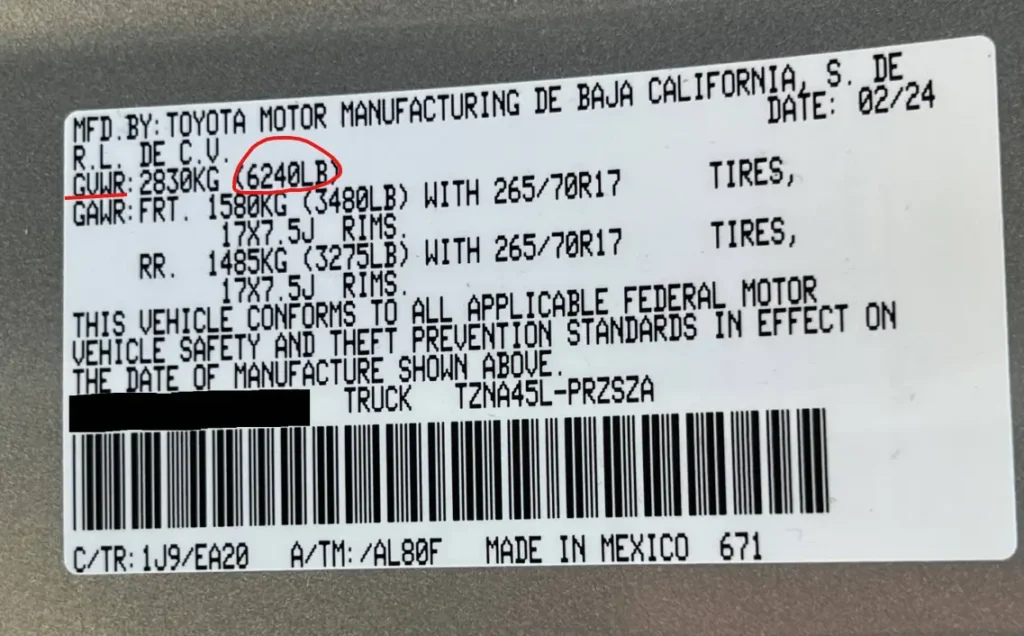
GVWR mode calculates capacity by subtracting your actual truck weight from GVWR. This method starts with your truck’s maximum allowed weight (GVWR). The tool checks how much weight is left after accounting for the truck itself, passengers, and gear, then compares it to the camper.
Weight left = GVWR − Truck weight − People − Gear
Use this mode only if:
- You know your real truck weight (scale preferred)
- You want to cross-check payload numbers
- You understand GVWR limits
For most buyers, GVWR mode is optional—not required.
Rear Axle Warning—Why This Matters?
Truck campers place around 60% of their weight on the rear axle. Even if total payload looks okay, the rear axle can still be overloaded.
This tool automatically checks for rear axle stress and warns you if:
- Suspension sag is likely
- Braking performance may suffer
- Handling and stability could be affected
Airbags or helper springs do not increase axle ratings; they only improve ride quality.
Truck Class And Camper Recommendation
Truck Class | Payload Range | Recommended Camper Type |
Half-ton | <2,000 lbs | Pop-up or ultra-light hard-side campers |
¾-ton | 2,000–3,000 lbs | Medium-weight hard-side or pop-up campers |
One-ton | >3000 lbs | Most hard-side campers, full-size options |
Common Truck Camper Weight Mistakes I See
Many truck owners overload their trucks without realizing it. The most common mistakes are:
- Using dry camper weight instead of wet weight
- Forgetting passengers, pets, and gear
- Assuming “¾-ton” or “one-ton” automatically means safe
- Ignoring rear axle load
- Trusting brochure numbers instead of door sticker ratings
This calculator eliminates guesswork by using real-world numbers. This tool is built around real-world camping weight, not marketing numbers.
Is a Borderline Truck Camper Setup Ever Okay?
A borderline result doesn’t automatically mean “don’t do it,” but it does mean you need to be careful. Depending on your situation, you may need:
- Higher load-rated tires
- Suspension upgrades (airbags, helper springs)
- Weight reduction inside the camper
- A lighter camper model
- A one-ton truck instead of a ¾-ton
From a safety standpoint, staying under payload limits is always the best option.
Safety Tips:
- Always calculate using wet camper weight
- Add every passenger and item
- Leave a 15% safety margin whenever possible
- Watch rear axle warnings closely
- Lighter campers always handle better and stop safer
Truck Camper Compatibility FAQ
Where do I find my truck’s payload rating?
Look at the driver-side door jamb sticker. That number already accounts for your truck’s engine, drivetrain, and factory options.
Should I calculate using GVWR instead?
You can, but payload is simpler and less confusing for most people. This tool is designed to keep things practical and accurate.
Does this work for pop-up truck campers?
es. This checker works for pop-up campers, hard-side campers, and flatbed campers.
Is this tool 100% exact?
It’s a safe estimate, not a legal certification. Always double-check your numbers and follow manufacturer guidelines.
What does the rear-axle warning mean?
Approximately 60% of a camper’s weight sits on the rear axle. The tool estimates overload risk and flags it.
Can upgrades like airbags increase payload?
No. Airbags and helper springs improve ride quality but do not increase legal payload or GVWR.
What if my result is borderline?
Borderline means proceed with caution: reduce gear weight, choose a lighter camper, and drive carefully.
Final Thoughts:
At The Camper World, everything is built around real truck limits and real camping use. This truck camper compatibility checker was created to help you make smarter, safer decisions and avoid costly mistakes that many first-time buyers make.
If your truck and camper work together properly, truck camping is one of the best ways to travel. If they don’t, it becomes a headache fast. Use this tool, check your numbers, and camp with confidence.